Real Estate trends in dynamic urban environments are driven by evolving lifestyles, technology, and environmental consciousness. Key developments include mixed-use spaces offering convenience and walkability, high-rise towers, and sustainability through green features like energy efficiency and LEED certifications. Investors should prioritize sustainable practices to appeal to environmentally conscious consumers.
Design strategies include smart home systems, open-concept floor plans, natural elements for well-being, and eco-friendly features. A global study shows over 75% of consumers prefer eco-friendly homes. Technology transforms urban living with smart home systems, data analytics platforms, and IoT integration enhancing city services like traffic management and energy grids.
Collaboration between developers, city planners, and tech experts is crucial for creating smart cities that are livable, efficient, and resilient, meeting modern lifestyle demands.
In today’s dynamic urban landscape, aligning modern lifestyles with real estate offerings has become a defining challenge. The ever-evolving preferences of city dwellers for smart homes, sustainable living, and vibrant communities demand innovative solutions from the industry. This article delves into the intricate relationship between urban trends and real estate, offering insights into how developers and investors can create spaces that not only cater to modern needs but also drive market growth. By exploring cutting-edge technologies, eco-friendly practices, and community-centric designs, we unveil strategies that promise to transform the urban real estate landscape.
Understanding Urban Trends in Real Estate
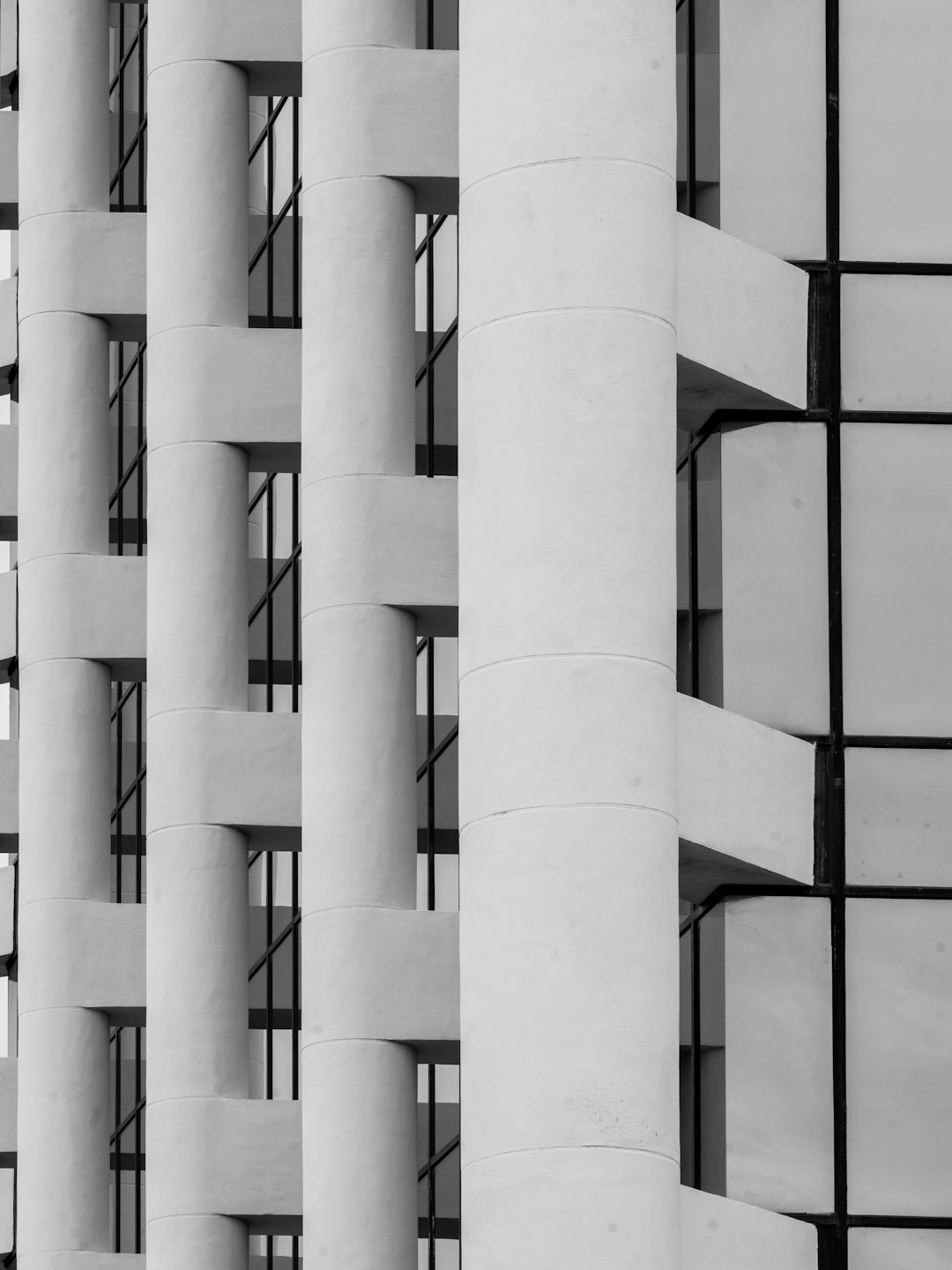
In today’s dynamic urban landscape, understanding the ever-evolving trends within real estate is paramount for both developers and investors. The modern city is a vibrant tapestry woven with threads of diverse lifestyles, technological advancements, and environmental consciousness. This presents a unique challenge and opportunity in the real estate sector to cater to a wide range of needs—from smart homes integrating AI to eco-friendly, sustainable buildings. According to recent global reports, urban areas are expected to house over 60% of the world’s population by 2030, emphasizing the critical need for efficient and innovative real estate solutions.
One prominent trend gaining traction is the rise of mixed-use developments. These projects seamlessly blend residential, commercial, and sometimes even recreational spaces, aligning with the modern urbanite’s desire for convenience and a walkable lifestyle. For instance, in cities like New York and Singapore, high-rise towers offer condominiums, offices, and retail stores within the same structure. This trend not only maximizes land use but also fosters a sense of community and reduces commute times. Real estate professionals can capitalize on this by integrating smart city technologies to enhance building management and security, thereby attracting tech-savvy tenants and buyers.
Additionally, sustainability has become a driving force behind urban real estate decisions. Growing environmental awareness prompts developers to incorporate green features such as energy-efficient designs, renewable energy sources, and ample green spaces into their projects. Data from the Global Real Estate Sustainability Benchmark (GRESB) indicates that buildings with LEED (Leadership in Energy and Environmental Design) certifications command higher rental rates and property values. To stay competitive, real estate investors should prioritize sustainable practices, not only for environmental benefits but also as a strategic decision to appeal to a broader market of conscious consumers.
Designing Spaces for Modern Lifestyles
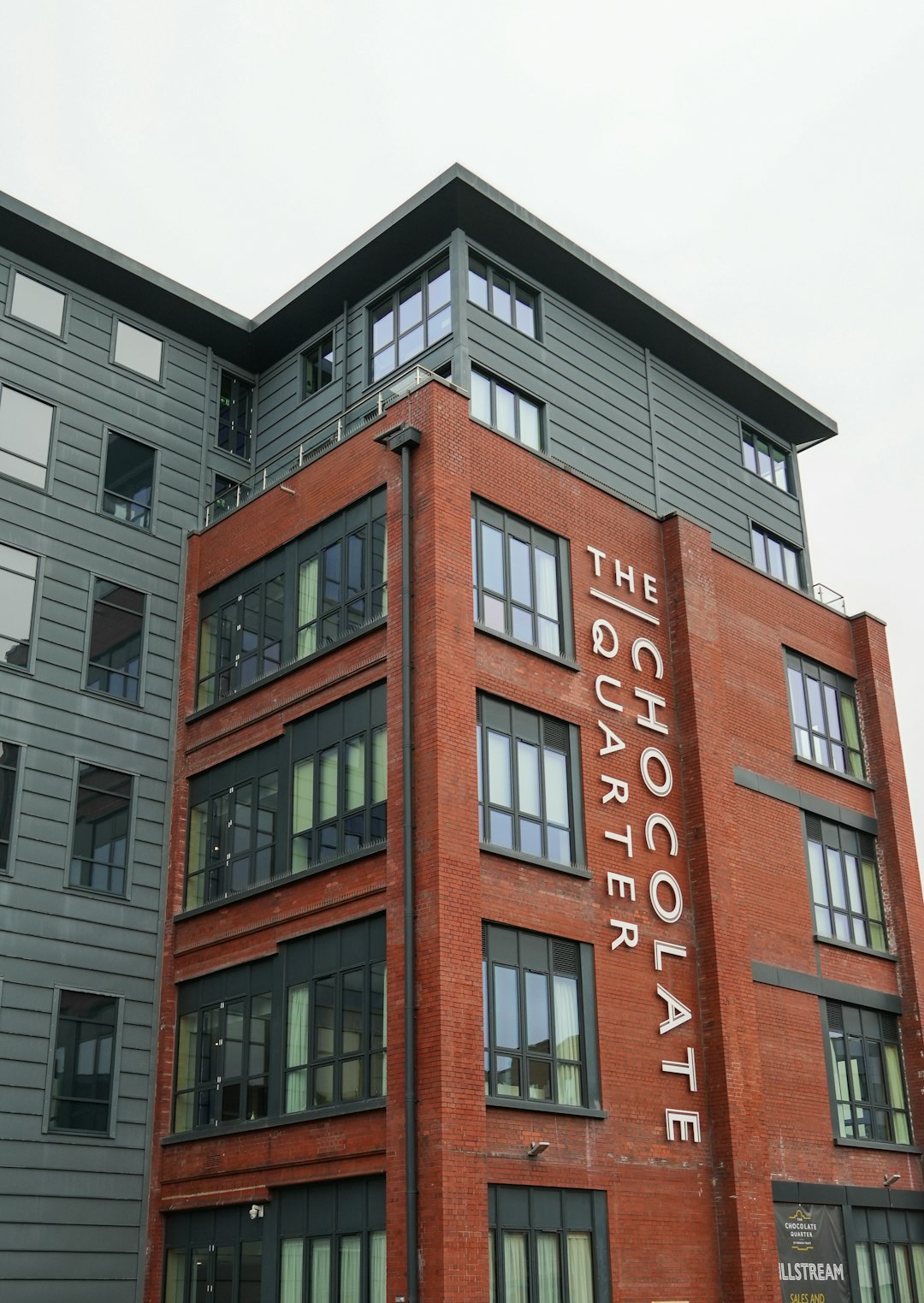
In today’s dynamic urban landscape, designing spaces tailored for modern lifestyles is a paramount concern in real estate. The contemporary metropolis is characterized by a diverse range of inhabitants with varied needs and preferences, demanding flexible, adaptable, and tech-integrated living environments. To cater to these demands, architects and developers must embrace innovative design strategies that blend aesthetics, functionality, and technology seamlessly. For instance, smart home automation systems have become integral to modern urban residences, enabling occupants to control lighting, temperature, and security with the touch of a button or voice command.
One practical insight for real estate professionals is prioritizing open-concept floor plans, which not only maximize space utilization but also foster a sense of connectivity between different areas of a residence. This design trend has gained significant traction in recent years due to its ability to accommodate changing lifestyles, such as remote work arrangements and multi-generational households. Additionally, incorporating natural elements like indoor gardens or living walls can enhance well-being by improving air quality, reducing stress levels, and fostering a deeper connection with nature, despite urban settings.
Furthermore, the integration of sustainable practices in real estate development is not only an environmental imperative but also a key differentiator in appealing to modern urban dwellers. Features such as energy-efficient appliances, solar panels, and rainwater harvesting systems are increasingly sought after by environmentally conscious buyers and tenants. According to a recent study by the Global Wellness Institute, nearly 75% of global consumers are willing to pay more for eco-friendly homes, underscoring the importance of prioritizing sustainability in real estate design. By embracing these trends and innovations, developers can create spaces that not only meet but exceed the expectations of modern urban lifestyles.
Leveraging Tech to Enhance Urban Living

In today’s digital age, leveraging technology has become a game-changer for enhancing urban living. Real estate, as a fundamental aspect of urban lifestyles, is naturally at the forefront of this transformation. Smart home systems, for instance, enable residents to control lighting, temperature, and security devices remotely through their smartphones or voice assistants, fostering convenience and energy efficiency. According to a recent study by McKinsey, the adoption of smart home technologies is expected to grow by 20% annually until 2025, underscoring their increasing appeal among urban dwellers.
Moreover, technology-driven real estate platforms are revolutionizing the way properties are searched, purchased, and managed. These platforms use data analytics to provide personalized recommendations for potential buyers and renters, streamlining processes that were once time-consuming and complex. For example, PropTech startups like Zillow and Nestio utilize machine learning algorithms to predict property values, analyze market trends, and offer insights into neighborhood dynamics. This not only empowers urban dwellers with better-informed decisions but also helps real estate professionals optimize their marketing strategies.
Furthermore, the integration of Internet of Things (IoT) devices in urban infrastructure is enhancing city services and improving quality of life. Smart traffic management systems, for instance, use sensors to monitor road conditions and adjust signal timings dynamically, reducing congestion and emissions. In terms of sustainability, smart grids and energy-efficient buildings contribute to lower carbon footprints. As cities become more tech-savvy, residents can expect even greater conveniences, such as efficient waste management, real-time public transport updates, and enhanced security measures, all of which make urban living more appealing and sustainable.
To maximize these benefits, real estate developers and city planners must collaborate closely with technology experts. This collaboration ensures that new developments incorporate the latest innovations seamlessly, creating smart cities where technology enhances not only individual living but also community interactions and urban management. By embracing technological advancements, urban areas can become more livable, efficient, and resilient to meet the demands of modern lifestyles.