
Diversity in real estate drives value through enhanced property appeal, resilience, and profitability. Mixed-use developments catering to varied tenant profiles (students, young professionals, families) command higher rents and occupancy rates. Strategic diversity strategies, including inclusive design, marketing, technology, and community engagement, promote social equity, attract investors, and foster thriving neighborhoods. Embracing diversity in real estate maximizes value, boosts local economies, and creates vibrant communities.
In today’s dynamic real estate landscape, encouraging a diverse tenant mix is not merely a trend but an essential strategy for property success. As urban areas evolve, the traditional homogenous model often fails to cater to the multifaceted needs of modern communities. This approach overlooks the potential for vibrant, inclusive spaces that foster innovation and social cohesion.
The challenge lies in overcoming biases and creating environments that attract a wide range of businesses and individuals. We propose a solution centered on strategic planning, embracing diversity as a key driver, and leveraging real estate’s power to transform urban landscapes, ultimately enriching local economies and communities.
Assessing Diversity's Impact on Real Estate Value

Diversity is a powerful driver of real estate value, often overlooked yet profoundly influential. A varied tenant mix can significantly enhance property appeal, resilience, and long-term profitability. This is evident in successful mixed-use developments globally. For instance, cities like New York and London boast vibrant neighborhoods where residential, commercial, and retail spaces coexist harmoniously, attracting a diverse range of residents and workers. Such integrated communities offer numerous advantages. They foster a sense of community and belonging, encourage local economic growth, and provide tenants with convenient access to amenities, reducing commuting times and costs.
Assessing the impact of diversity on real estate value requires a nuanced approach. Market research indicates that properties with diverse tenancy profiles often command higher rents and occupancy rates. This is partly due to the reduced risk for landlords—a varied tenant base spreads financial risks associated with vacancies or late payments. Moreover, diverse tenants can contribute to a more dynamic and resilient local economy, ensuring consistent demand for real estate. For example, a mixed-use building with students, young professionals, and families is likely to experience steady rental interest throughout the year, as opposed to seasonal fluctuations in any single demographic.
Experts advocate for intentional diversity strategies in real estate development. This involves designing spaces that cater to various lifestyles and income levels, from affordable housing units to high-end apartments. Such inclusive practices not only contribute to social equity but also create sustainable markets. By embracing diversity, developers can unlock new opportunities, attract a broader range of investors, and foster communities that thrive over the long term. Diversifying tenant profiles should be a strategic priority for real estate professionals aiming to maximize value and build resilient, thriving neighborhoods.
Strategies for Attracting Diverse Tenants
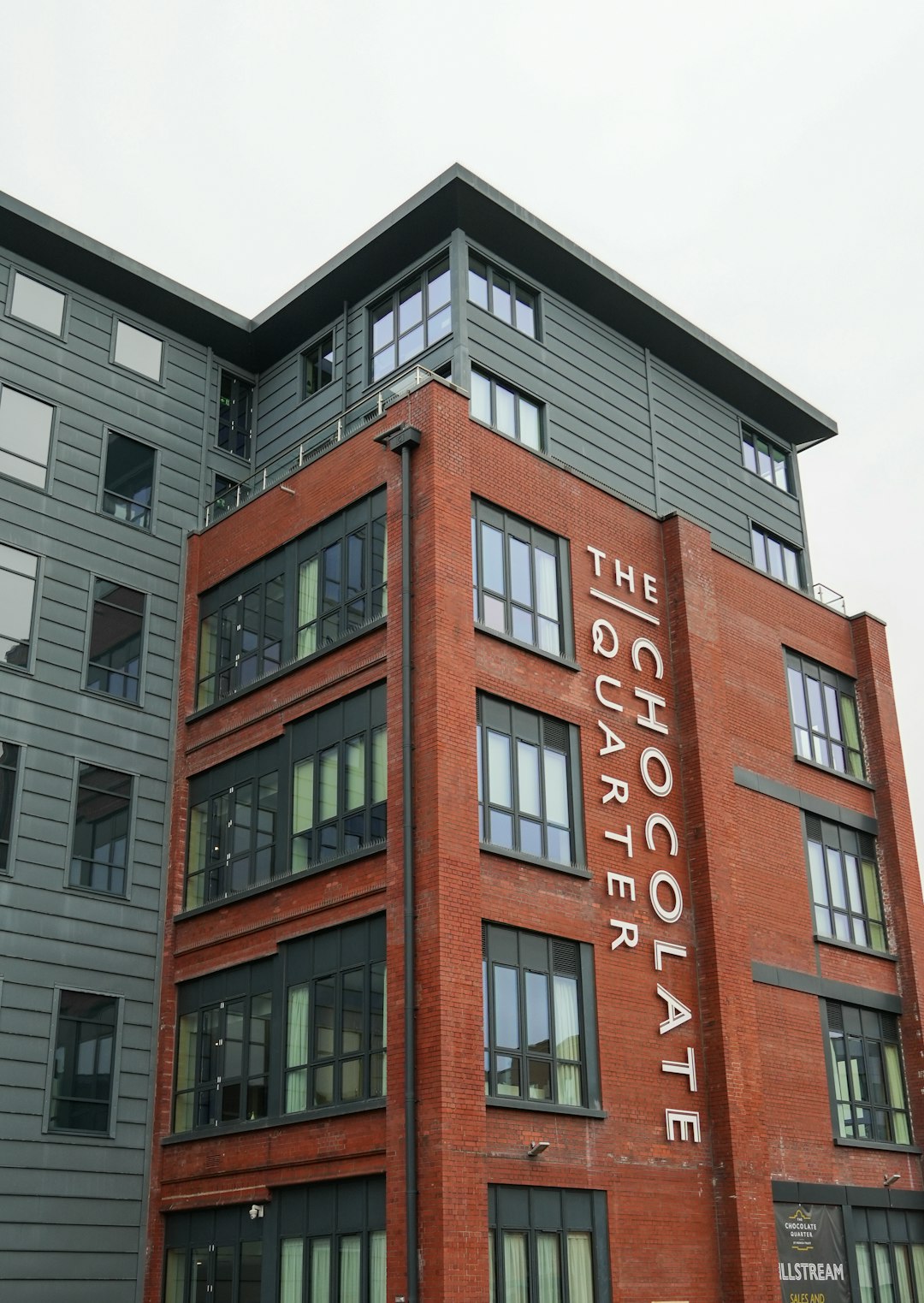
Attracting a diverse tenant mix is a strategic imperative for real estate investors and developers aiming to create vibrant, resilient communities. This involves more than simply offering various property types; it requires a nuanced understanding of different cultural needs, lifestyle preferences, and economic realities. A successful approach leverages inclusive marketing strategies, designs that cater to varied lifestyles, and partnerships with community organizations to reach broader demographics. For instance, targeting student populations through collaborations with local universities can fill apartments in areas near campus, while engaging with employment agencies might attract working professionals to specific business parks or co-living spaces.
Diversity isn’t merely a moral imperative; it’s a financial strategy. Research shows that inclusive real estate developments often enjoy higher occupancy rates and longer tenant tenures. To capitalize on this, property managers should focus on creating welcoming environments that accommodate different lifestyles and abilities. This could involve incorporating accessible design elements in all units, offering shared amenities catering to multiple interests (e.g., co-working spaces, pet play areas), and fostering a sense of community through organized events and programs. For example, a mixed-use development with dedicated workspaces, fitness facilities, and social hubs can attract tech entrepreneurs, freelancers, and young families alike.
Leveraging technology plays a pivotal role in reaching and engaging diverse tenants. Online platforms allow for targeted marketing campaigns that resonate with specific demographics, while property management software facilitates efficient communication and service requests. Social media remains a powerful tool, especially for connecting with younger audiences, though it’s crucial to be authentic and culturally sensitive in messaging. Additionally, collaborating with local diversity-focused groups and influencers can help overcome barriers and increase trust among traditionally underrepresented communities. This might involve partnerships with cultural associations, LGBTQ+ organizations, or initiatives focused on affordable housing access.
Ultimately, cultivating a diverse tenant mix requires a holistic approach that integrates inclusive design, targeted marketing, and community engagement strategies. Real estate professionals who embrace these tactics not only contribute to more equitable living environments but also position themselves at the forefront of a dynamic market segment with significant growth potential.
Creating Inclusivity: Managing a Mixed-Use Property

Creating an inclusive environment is not just a moral imperative in real estate; it’s a strategic decision that significantly enhances the value and appeal of mixed-use properties. A diverse tenant mix offers a myriad of benefits, from increased foot traffic and enhanced local economy to a broader range of amenities and services for residents. For instance, a mixed-use development might feature a combination of retail stores, restaurants, offices, and housing units, fostering a vibrant community that caters to diverse needs and preferences.
Managing a mixed-use property requires a nuanced approach that ensures equal opportunity and comfort for all tenants. This involves active marketing strategies to attract a varied demographic, careful design that accommodates different lifestyles, and responsive management practices that address the unique needs of each tenant group. For example, a property manager could implement accessible design elements across the board, ensuring ease of use for individuals with disabilities, while also providing dedicated spaces for quiet study or relaxation for those seeking respite from the bustling retail and dining areas.
Data from recent studies supports the positive impact of diverse real estate developments. A report by the Urban Land Institute found that mixed-use properties tend to have higher occupancy rates and lower vacancy levels, indicating a stronger market performance. Furthermore, a survey by the National Multifamily Housing Council revealed that residents in diverse housing communities reported higher levels of satisfaction and community engagement. These findings underscore the importance of fostering inclusivity in real estate, as it not only benefits individual tenants but contributes to the overall health and vitality of the surrounding neighborhood.
To encourage a diverse tenant mix, property owners and managers should consider offering flexible lease terms, providing a range of pricing options, and actively promoting the property’s unique features that appeal to various lifestyles. By embracing diversity and creating an inclusive environment, real estate professionals can unlock the full potential of mixed-use spaces, fostering thriving communities that reflect the richness of the human experience.