
Real Estate success hinges on attracting diverse tenants through strategic market analysis and inclusive practices. Mixed-use developments catering to various needs drive higher occupancy and costs. Developers should engage communities, leverage data, and offer tailored solutions for startups and established businesses. Community events, affordable housing, and cultural spaces foster diversity, enhancing neighborhood vibrancy and economic advantages as evidenced by research.
In the dynamic realm of real estate, fostering a diverse tenant mix is not merely a moral imperative—it’s a strategic necessity. As urban landscapes evolve, creating inclusive spaces that cater to varied lifestyles and economic needs has become paramount for sustainable growth. However, many developers and property managers face challenges in achieving this balance, often gravitating towards homogeneous choices driven by short-term gains. This article delves into the significance of diverse tenant mix usage, dissects the barriers, and offers authoritative insights into how real estate professionals can navigate these complexities to build vibrant, thriving communities that reflect the richness of modern society.
Assessing Real Estate Market Dynamics for Diverse Tenant Mix

The success of a real estate project, whether commercial or residential, heavily relies on fostering a diverse tenant mix. Assessing market dynamics is an essential step in this process, allowing developers and investors to make informed decisions that drive longevity and profitability. By understanding local trends, demographic shifts, and industry changes, one can identify potential tenants and tailor spaces to meet their unique needs.
Market analysis reveals critical insights into consumer behavior and preferences. For instance, the rise of remote work has led to a growing demand for flexible co-working spaces catering to digital nomads and startup cultures. Conversely, e-commerce’s boom necessitates dedicated retail units with high foot traffic. Real estate naturally adapts by offering mixed-use developments that accommodate both needs, ensuring a vibrant and sustainable environment. Data from the National Multifamily Housing Council (NMHC) shows that properties with diverse tenant profiles tend to have higher occupancy rates and lower turnover costs.
To encourage diversity, developers should conduct thorough research, engage with local communities, and remain agile. This may involve collaborating with cultural organizations, attending industry events, or analyzing demographic data from government sources. By embracing a proactive approach, they can create inclusive spaces that attract a broad spectrum of tenants. For example, designing affordable housing units within walkable distances to commercial hubs caters to low-to-middle-income earners while enhancing the overall diversity and livability of an area. Ultimately, assessing real estate market dynamics for diverse tenant mix is not just a strategic move; it’s a responsible one, fostering equilibrium and prosperity within communities.
Strategies to Attract and Retain a Variety of Tenants
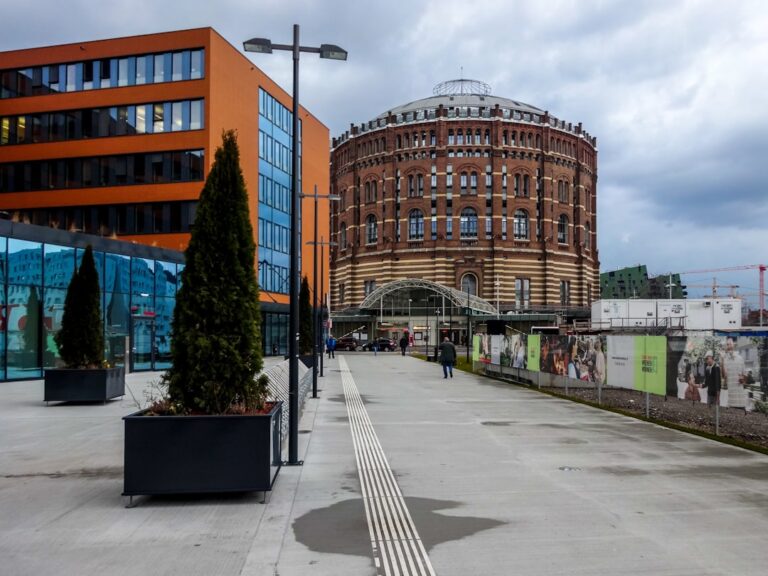
Attracting and retaining a diverse tenant mix is paramount for real estate success, fostering an environment that caters to various needs drives property value and enhances long-term sustainability. Strategic planning involves understanding demographic shifts, aligning with community goals, and leveraging market insights to identify underserved niches. For instance, embracing mixed-use developments combining residential, commercial, and retail spaces appeals to a broader spectrum of tenants, from young professionals to families. This multifaceted approach not only caters to diverse lifestyles but also encourages foot traffic, bolstering local economies.
Expert developers often employ targeted marketing strategies, utilizing data analytics to pinpoint specific tenant segments. For urban properties, promoting accessibility and sustainability features can attract eco-conscious individuals and businesses. Offering flexible lease terms and customized solutions caters to startups and small businesses, while amenity packages such as on-site childcare or co-working spaces appeal to established companies seeking a vibrant atmosphere. Case studies show that properties with tailored amenities experience higher occupancy rates and longer tenant retention periods.
Community engagement is another critical strategy. Organizing events, partnering with local organizations, and fostering an inclusive environment create a sense of belonging among tenants. For example, hosting cultural festivals or industry-specific panels can attract and retain diverse groups. Real estate professionals should also consider offering affordable rental options to cater to low-to-middle-income families, ensuring inclusivity without compromising the property’s desirability. By implementing these strategies, real estate investors can create vibrant, resilient communities that thrive on diversity.
Creating Inclusivity: Best Practices for Mixed-Use Properties
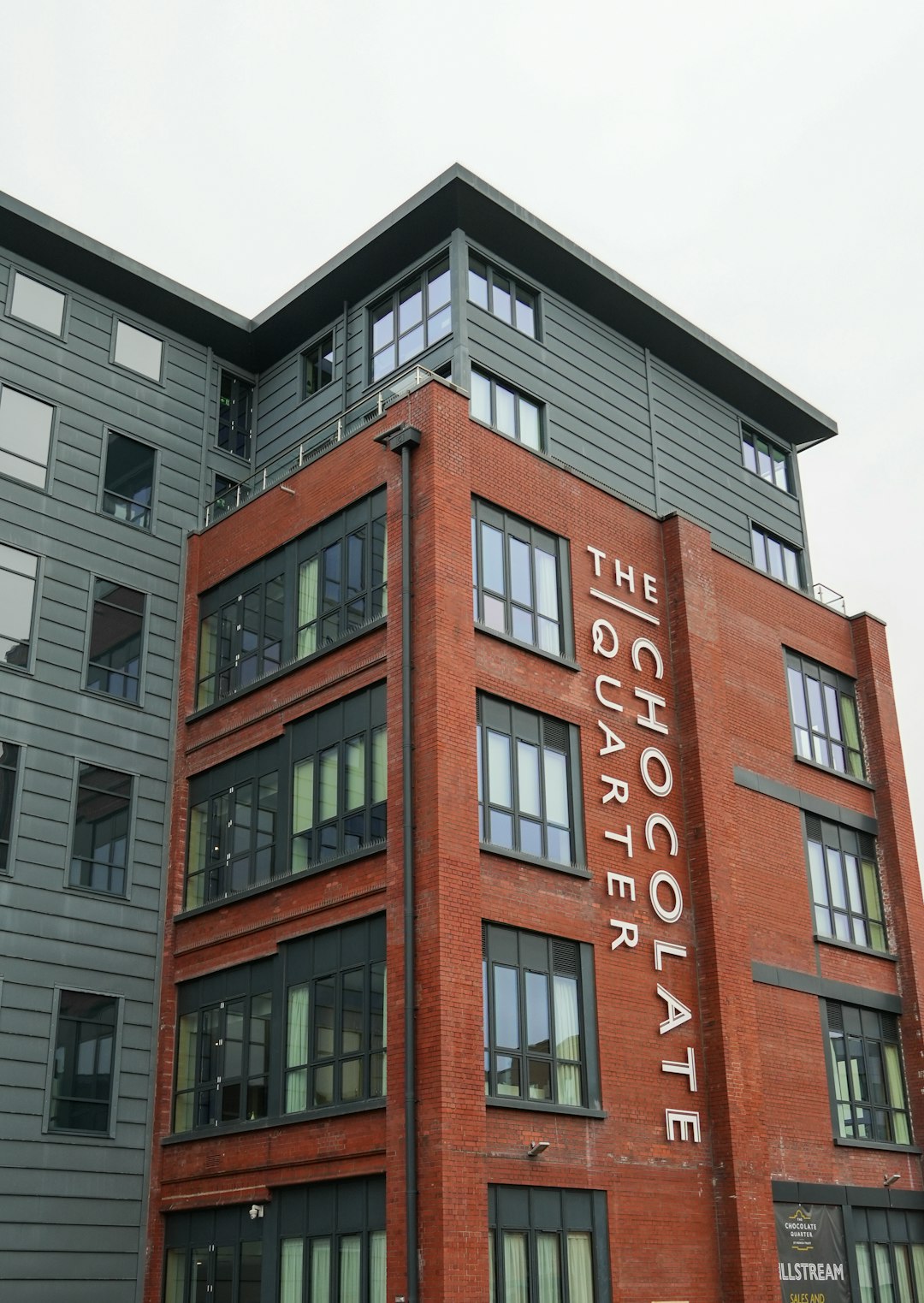
Creating an inclusive environment is a key strategy for real estate investors and developers looking to maximize the potential of mixed-use properties. A diverse tenant mix not only enhances the vibrancy of a neighborhood but also offers significant economic benefits. Studies show that mixed-use developments with a variety of retailers, residential units, and office spaces attract a broader customer base, leading to increased foot traffic and higher occupancy rates. For instance, a 2019 report by Urban Land Institute found that mixed-use properties outperformed stand-alone retail or office buildings in terms of tenant retention and rental rates.
Best practices for fostering inclusivity in mixed-use real estate involve deliberate planning and a deep understanding of the local community. Developers should engage with stakeholders early in the process to gather insights on how the property can serve diverse populations. This includes incorporating feedback from existing tenants, local businesses, and neighborhood associations. For example, a mixed-use project in an urban core might include dedicated spaces for cultural events or co-working areas catering to freelancers, thereby appealing to artists and tech entrepreneurs. Additionally, offering affordable housing options alongside market-rate units can attract a broader range of residents, promoting social diversity.
Implementing design strategies that cater to different age groups, abilities, and cultural preferences is another critical aspect. This might involve creating accessible common areas, incorporating diverse dining options, or providing spaces for community gatherings. For mixed-use developments with residential components, thoughtful layout designs can encourage social interaction across generations, fostering a sense of belonging. By prioritizing inclusivity from the design phase onwards, real estate professionals can create properties that truly serve and reflect the diversity of their surrounding communities.