
Real estate naturally evolves towards multi-use strategies to address modern urban challenges. Integrating residential, commercial, and retail spaces enhances land utilization, fosters communities, and promotes economic sustainability. Success relies on meticulous planning, public-private partnerships, strategic zoning, infrastructure investment, and seamless connectivity. Mixed-use districts drive quality of life improvements and leave positive impacts on urban landscapes, with examples like Seattle and New York showcasing reduced traffic congestion and carbon emissions. Residential harmony involves catering to diverse lifestyles, achieved through open communication, community surveys, and ongoing engagement.
In today’s dynamic urban landscape, real estate naturally blends residential, commercial, and retail purposes, creating complex yet vital synergies. This multifaceted approach drives economic growth, enhances community vibrancy, and optimizes space utilization. However, navigating this intricate web presents challenges in zoning, infrastructure planning, and amenity allocation. To address these complexities, we offer a comprehensive framework that harmonizes diverse uses, fostering sustainable development and enhanced quality of life. By examining best practices from around the globe and leveraging cutting-edge technology, this article provides actionable insights for stakeholders to harness the full potential of mixed-use real estate.
Understanding Multi-Use Real Estate Strategies

In today’s dynamic real estate landscape, understanding multi-use strategies has become paramount for developers, investors, and urban planners. The concept of blending residential, commercial, and retail purposes within a single property or district offers a comprehensive solution to the intricate challenges of modern cities. This integrated approach not only maximizes land utilization but also fosters vibrant communities and economically sustainable environments.
Real estate naturally evolves towards multi-use models due to the interdependence of these sectors. For instance, a mixed-use development featuring residential apartments above retail stores and offices below can attract residents with convenient access to daily needs and work locations. This symbiotic relationship reduces commute times, enhances local economies, and promotes environmental sustainability by minimizing vehicle emissions. Furthermore, such developments can mitigate urban sprawl, encouraging denser populations around key transit hubs and commercial centers.
From a practical standpoint, developers can leverage the inherent flexibility of multi-use properties to adapt to changing market demands. Converting underutilized office spaces into co-working facilities or trendy retail units can cater to the needs of modern businesses and entrepreneurs. For example, many cities have seen success in transforming former industrial areas into hip districts combining residential lofts, creative offices, and eclectic restaurants and shops. This not only revitalizes brownfield sites but also attracts a diverse range of residents and workers.
Experts emphasize that successful multi-use real estate strategies require meticulous planning and collaboration among stakeholders. Local governments play a crucial role in facilitating these projects through streamlined zoning regulations, tax incentives, and infrastructure investments. By fostering public-private partnerships, cities can drive the development of mixed-use districts that enhance quality of life, stimulate economic growth, and leave a lasting positive impact on urban landscapes.
Integrating Commercial, Retail Spaces: Best Practices
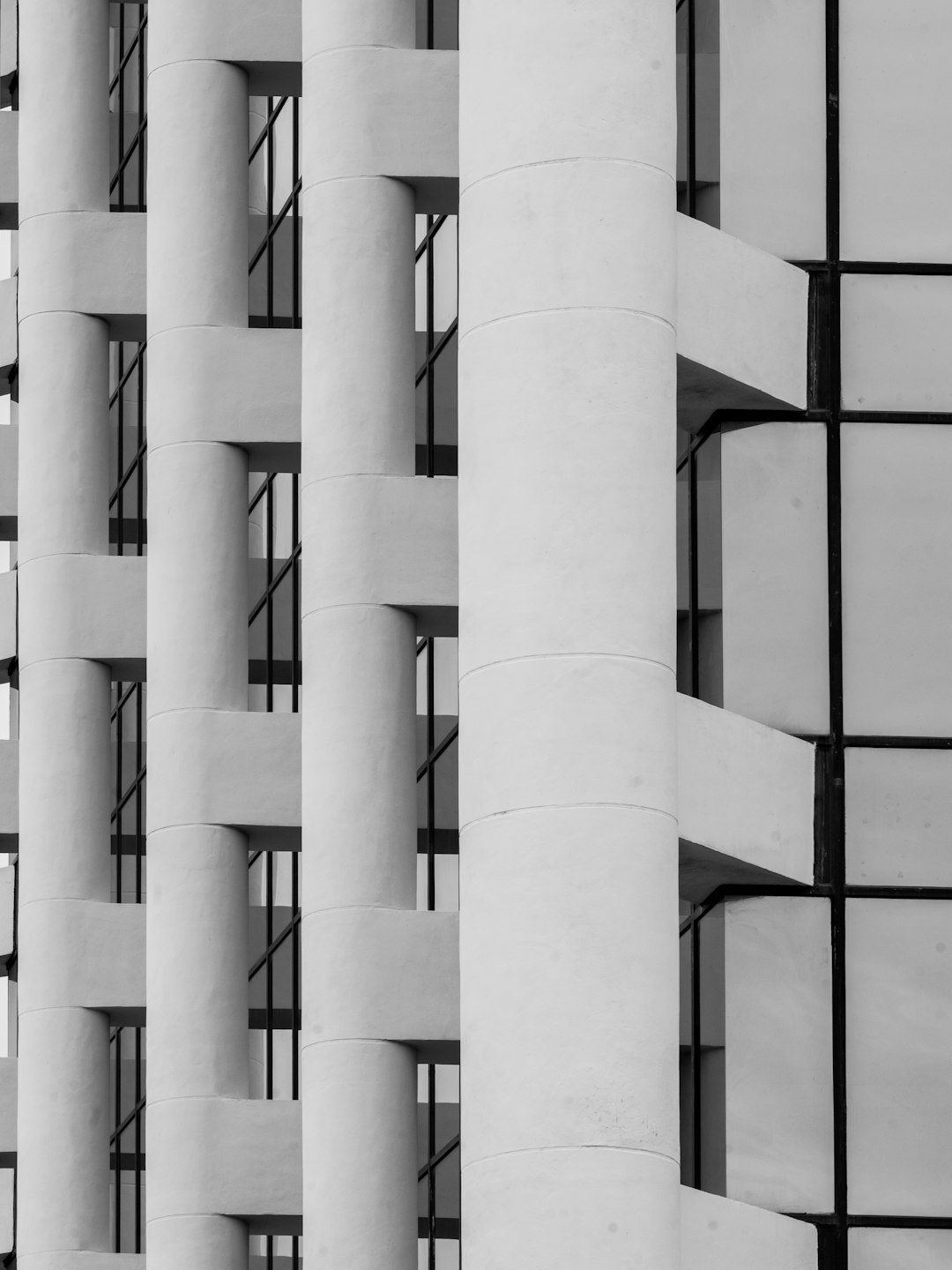
In modern urban real estate, seamlessly blending residential, commercial, and retail spaces is a trend that offers both challenges and significant advantages. This integrated approach allows for more efficient land use, fosters economic growth, and enhances community dynamics. When designing mixed-use developments, prioritizing access to amenities and services is key. For instance, residents benefitting from nearby retail options, while businesses enjoy easy customer access, creating a mutually beneficial environment. According to recent studies, mixed-use neighborhoods often experience higher property values and increased tenant retention due to the convenience and vibrancy they offer.
Expert practitioners advocate for thoughtful planning as the cornerstone of successful integration. This includes strategic zoning, efficient infrastructure, and careful consideration of building orientation to maximize natural light and ventilation. For example, a well-designed mixed-use complex might feature retail shops on the ground floor, supported by residential units above, with shared amenities like parking and recreational spaces strategically placed to serve all occupants. Balancing the needs of different users requires a nuanced understanding of local markets and community preferences.
Best practices also emphasize fostering seamless connectivity between zones. This can be achieved through pedestrian-friendly pathways, well-designed public spaces, and efficient transportation networks. Integrating green spaces within these developments further enhances their appeal, providing residents with recreational areas and contributing to environmental sustainability. Real estate developers who embrace these strategies find themselves at the forefront of shaping vibrant, thriving urban environments that cater to a diverse range of users.
Residential Harmony in Mixed-Use Developments

Mixed-use developments, seamlessly blending residential, commercial, and retail spaces, offer a harmonious blend that enriches urban landscapes. This multifaceted approach to real estate naturally fosters a vibrant community environment. The key to success lies in meticulously planning and designing these projects to ensure each component complements the others, creating a cohesive ecosystem where residents, workers, and shoppers coexist peacefully.
Residential harmony in such developments is not merely about proximity but about creating spaces that cater to diverse lifestyles. High-rise apartments with panoramic city views can attract professionals who seek urban living’s convenience. In contrast, family-oriented neighborhoods with ample green spaces may appeal to those prioritizing a quiet, community-focused lifestyle. Expert designers often employ strategic placement and thoughtful architecture to facilitate these differing needs, ensuring residents from all walks of life feel at home.
For instance, consider the thriving mixed-use districts in cities like Seattle or New York, where residential towers are interwoven with shops, restaurants, and offices. These areas thrive due to efficient infrastructure and well-planned transportation networks. Data from urban planning studies shows that successful mixed-use communities significantly reduce traffic congestion and carbon emissions compared to traditional, segregated zones. By providing essential amenities within reach, these developments foster a strong sense of community and belonging.
To achieve residential harmony in your real estate venture, prioritize open communication among stakeholders—from developers to architects and local residents. Conduct comprehensive surveys to understand the needs and preferences of potential inhabitants. Incorporate feedback into design iterations, ensuring that the final product reflects the desired atmosphere. Regularly engage with the community post-development to maintain the harmonious equilibrium and address evolving needs.