Real Estate trends drive city evolution, focusing on mixed-use developments, accessibility & sustainability, smart technologies, data analytics, and understanding consumer preferences. Successful marketing involves digital experiences, aligning brand messaging with urban lifestyles, deep market research, and crafting compelling narratives that resonate with tech-savvy, busy urban dwellers.
In today’s fast-paced urban world, the way we live and interact with our surroundings is evolving rapidly. Modern lifestyles demand efficient, connected, and sustainable environments, placing significant pressure on real estate development to keep pace. The challenge lies in seamlessly integrating high-density populations with green spaces, smart infrastructure, and community hubs, creating vibrant, livable cities. This article delves into the strategies and innovations that are reshaping urban landscapes, offering practical solutions to cater to diverse modern needs while preserving the essence of our cities. We explore how real estate can naturally play a pivotal role in fostering inclusive, sustainable, and desirable urban environments.
Understanding Urban Trends in Real Estate

In today’s dynamic urban landscape, understanding the ever-evolving trends in real estate is paramount for both investors and developers. The modern city is a complex tapestry of diverse lifestyles, with residents demanding spaces that cater to their vibrant, fast-paced lives. This shift has significantly influenced the real estate market, pushing it towards innovative designs and strategic planning. For instance, the rise of mixed-use developments that seamlessly blend residential, commercial, and recreational areas has been a notable trend, aligning with the growing preference for walkable, connected communities. According to recent data, over 50% of urban dwellers globally now live in mixed-use neighborhoods, underscoring their popularity.
Expert insights suggest that successful real estate projects must prioritize accessibility, sustainability, and community engagement. The integration of smart technologies into buildings is another crucial aspect, offering enhanced convenience and energy efficiency. For example, the implementation of automated systems for lighting, temperature control, and security has become standard in many new constructions, appealing to tech-savvy urbanites. Moreover, leveraging data analytics allows developers to anticipate future trends, such as the increasing demand for shared spaces and flexible leasing options, which are reshaping traditional property ownership models.
Practical advice for navigating this landscape includes staying abreast of local zoning regulations and engaging with community stakeholders early in the development process. Engaging architects and designers who specialize in urban design can lead to projects that seamlessly blend into—and enhance—the existing fabric of the city. Additionally, fostering partnerships with technology providers ensures that developments remain competitive and attractive to modern tenants. Ultimately, adapting to urban trends requires a nuanced understanding of evolving consumer preferences, enabling real estate professionals to create spaces that not only stand the test of time but also thrive in the dynamic heart of the metropolis.
Designing Spaces for Modern Lifestyles

Modern urban lifestyles demand adaptable and multifaceted spaces. In the dynamic landscape of contemporary cities, real estate plays a pivotal role in catering to evolving needs. The design of residential and commercial properties must seamlessly integrate functionality, aesthetics, and sustainability to appeal to today’s cosmopolitan inhabitants. This requires a keen understanding of how people live, work, and interact in densely populated areas.
Experts emphasize the importance of flexible layouts that can accommodate changing lifestyles and working patterns. Open-concept designs, for instance, foster a sense of connectivity and promote collaboration in both homes and offices. According to recent market studies, apartments with smart home technology integrations have seen a 15% increase in demand over the past year, highlighting the growing preference for spaces that offer convenience and control. Additionally, incorporating natural elements, such as green walls and abundant natural light, enhances well-being and creates a harmonious urban environment.
Real estate developers and designers can create appealing spaces by leveraging innovative materials and technologies. Smart cities initiatives, including energy-efficient systems and integrated transportation networks, contribute to sustainable living. For example, vertical gardening and green roofs not only add visual appeal but also help mitigate the urban heat island effect. By embracing these trends, real estate professionals can meet the demands of modern urban dwellers, ensuring that spaces are not just functional but also reflect the vibrant and ever-changing nature of city life.
Marketing Strategies for Targeted Appeal
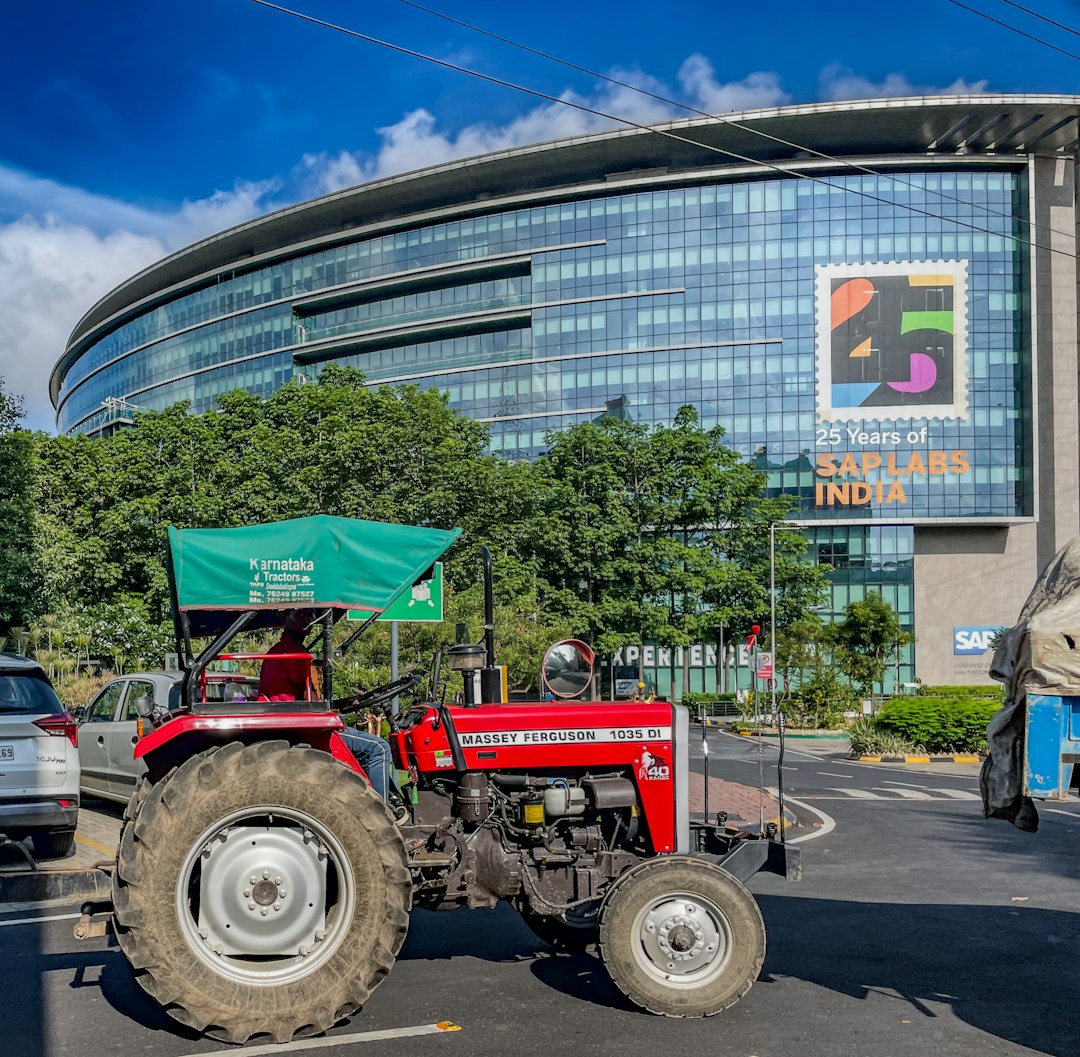
In the dynamic landscape of modern urban living, successful marketing strategies are pivotal for real estate developers aiming to capture the attention of discerning audiences. The contemporary market demands a deep understanding of evolving consumer preferences and lifestyle trends. Urban dwellers, often characterized by their busy schedules and diverse interests, require tailored solutions that cater to their unique needs. Marketing experts play a crucial role in translating these requirements into compelling brand narratives, ensuring real estate offerings resonate with their target demographics.
One effective approach involves creating immersive digital experiences that mirror the vibrant nature of urban life. Virtual tours and augmented reality (AR) applications allow potential buyers or renters to virtually walk through properties, fostering a sense of connection even before physical inspection. For instance, leading developers have utilized AR technology to showcase future high-rise residences, enabling users to visualize themselves within the spaces. This strategy not only captivates tech-savvy urbanites but also offers a practical way to explore real estate options remotely. Data from industry reports suggests that over 70% of millennial home buyers initially researched properties online, emphasizing the importance of digital marketing in today’s real estate landscape.
Furthermore, aligning brand messaging with specific lifestyle aspirations is essential. Developers can position their projects as more than just buildings; they become catalysts for desired urban lifestyles. For example, a luxury apartment complex might market itself as a gateway to an exclusive social scene, offering residents access to exclusive events and community gatherings. By intertwining the property with aspirational experiences, developers create a sense of belonging and exclusivity that resonates with target audiences. This approach requires deep market research to identify and cater to specific niches within urban demographics. Ultimately, successful marketing in modern real estate involves weaving together the threads of lifestyle aspirations, digital engagement, and personalized experiences to create a compelling narrative that speaks directly to the heart of urban dwellers.