Real estate is a powerful driver for urban area revitalization, transforming underused spaces into thriving communities. Strategies include mixed-use development, brownfield site redevelopment, and adaptive reuse of historic buildings. Collaboration between developers, governments, and communities ensures projects align with local needs, fostering diversity, economic stimulus, and improved well-being. Community engagement and transparent processes are vital for successful long-term revitalization.
Urban areas, once thriving hubs of activity, can often fall into disuse, leaving valuable spaces underutilized. This phenomenon presents a significant challenge for cities worldwide, impacting economic vitality and community engagement. Revitalization efforts are crucial to breathing new life into these forgotten areas, fostering growth, and creating vibrant, diverse neighborhoods. Real estate plays a pivotal role in this transformation, offering strategies to breathe fresh energy into neglected urban landscapes. This article delves into the art of urban renewal, exploring innovative approaches that not only restore but also enhance the essence of our cities.
Unlocking Potential: Revitalization Strategies for Urban Areas

Revitalization of underused urban areas through strategic initiatives has become a game-changer in urban development. Many cities worldwide are experiencing a surge in population density, leading to increased pressure on existing infrastructure and services. This presents an opportunity for real estate developers and urban planners to unlock the hidden potential of neglected neighborhoods. By implementing thoughtful strategies, it is possible to transform these areas into thriving communities, fostering economic growth and enhancing the overall quality of life.
One effective approach involves identifying and leveraging underutilized spaces, such as vacant lots or abandoned buildings. These sites can be redeveloped into mixed-use districts incorporating residential, commercial, and recreational facilities. For instance, a former industrial area in downtown Montreal was revitalized into a dynamic neighborhood known as the Plateau district, attracting young professionals and artists with its unique blend of shops, restaurants, and cultural attractions. Similarly, redeveloping brownfield sites, formerly contaminated lands, can stimulate local economies while providing much-needed green spaces and improving environmental conditions.
Real estate naturally plays a pivotal role in this process. Developers can collaborate with local governments to offer incentives like tax breaks or expedited permitting processes for projects that meet specific criteria. Public-private partnerships can also drive the transformation of underused areas, ensuring that development aligns with community needs and goals. Additionally, implementing mixed-income housing options encourages diversity and promotes a sense of community, while carefully curated retail and commercial spaces can cater to local businesses and attract visitors. By embracing creative solutions, cities can breathe new life into their urban landscapes, fostering sustainable growth and creating vibrant, inclusive communities.
Real Estate's Role: Transforming Underused Spaces
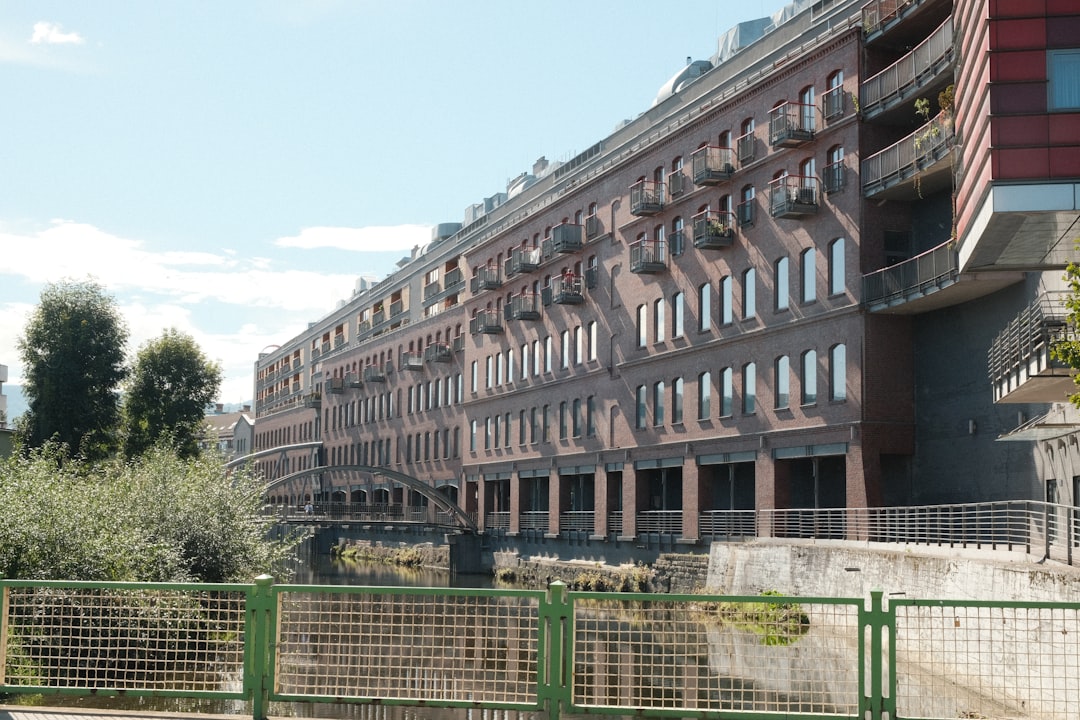
Real estate plays a pivotal role in revitalizing underused urban areas, transforming dormant spaces into vibrant hubs of activity. This process involves strategic planning, innovative development, and a deep understanding of local markets. One of the most prominent examples is the rehabilitation of industrial sites into mixed-use developments. In cities like New York and London, former warehouses and factory buildings have been meticulously converted into residential lofts, retail spaces, and co-working offices, attracting a diverse range of residents and businesses.
The benefits of such transformations are multifaceted. From an economic standpoint, real estate development stimulates local employment, increases property values, and bolsters revenue through taxes and business activity. Moreover, it encourages foot traffic in previously deserted areas, fostering a sense of community and safety. For instance, a 2018 study by the Urban Land Institute found that revitalized urban spaces experience higher rates of social interaction and improved mental well-being among residents.
Real estate professionals can contribute to this transformation through data-driven decisions and adaptive design. Thorough market analysis helps identify underused areas with untapped potential, while flexible design concepts allow for future adaptability as needs evolve. Collaborative partnerships between developers, urban planners, and local communities are also crucial. By engaging stakeholders early in the process, projects become more aligned with community goals, ensuring long-term success and sustainability. For example, the adaptive reuse of historic buildings not only preserves cultural heritage but also creates unique living and working environments that attract forward-thinking businesses and residents.
Community Engagement: Sustaining Urban Revitalization Efforts

Community engagement is a cornerstone of successful urban revitalization efforts, as it ensures that the needs and aspirations of local residents are at the heart of any development strategy. When revitalizing underused urban areas, active involvement from the community can catalyze positive change, fostering a sense of ownership and pride among area stakeholders. For instance, in Detroit’s revival, community-led initiatives such as neighborhood gardens and public art projects have not only beautified the city but also brought people together, strengthening social bonds that are essential for long-term sustainability.
Engaging the community in real estate development can be facilitated through transparent processes like public meetings, online forums, and surveys. These platforms allow residents to offer insights on desired amenities, land use preferences, and potential challenges. For example, San Francisco’s Mission District saw significant revitalization after community members actively participated in planning discussions, leading to the creation of mixed-use developments that incorporated affordable housing and cultural spaces. This collaborative approach not only addresses immediate needs but also ensures that revitalized areas remain vibrant and diverse over time.
Moreover, fostering community ownership can attract and retain local businesses, further stabilizing the area’s economic landscape. When residents feel invested in their neighborhood’s future, they are more likely to support local enterprises. In Chicago’s West Loop, a resident-driven organization successfully lobbied for the revitalization of an underused industrial area, transforming it into a bustling arts and culture hub complete with pop-up markets, galleries, and restaurants. This bottom-up approach not only revitalized real estate but also created new opportunities for local entrepreneurs, demonstrating that community engagement can be a powerful driver for urban renewal.
To sustain revitalization efforts, communities should prioritize building institutional capacity through partnerships between local governments, non-profits, and private sector entities. Establishing clear governance structures ensures coordinated action and long-term commitment to the area’s development. By integrating diverse perspectives into the planning and execution phases, revitalized urban areas can withstand the test of time, benefiting from continuous community input and evolving needs. This collaborative ecosystem fosters resilience, adaptability, and a collective sense of accomplishment that is crucial for maintaining a thriving urban environment.