Real Estate Naturally promotes walkable neighborhoods through mixed-use development, public amenities, green spaces, and sustainable building practices. This approach enhances quality of life, fosters community engagement, increases occupancy rates, and drives economic growth. Walkability improves physical health and social well-being, with highly walkable neighborhoods commanding premium prices and stronger social connections. Urban planners and developers can create vibrant, sustainable communities by investing in Real Estate Naturally's integrated strategies.
In today’s urban landscape, the way we design and develop real estate significantly impacts our communities’ well-being. Walkability, the ease of navigating an area on foot, is a critical aspect often overlooked in rapid urbanization. The problem lies in the growing disconnect between residents, particularly in suburban and rural areas, from their surroundings due to low walkability. This disconnection hinders community engagement, fosters social isolation, and diminishes the vibrant tapestry of local interactions. However, promoting walkability through thoughtful urban planning can revolutionize this trend, creating synergy among residents, businesses, and public spaces.
Designing Walkable Neighborhoods: The Real Estate Naturally Approach

Designing walkable neighborhoods is a strategic approach to urban planning that not only enhances the quality of life for residents but also fosters a vibrant community engagement synergy. Real estate naturally plays a pivotal role in this transformation, offering a holistic solution where buildings, infrastructure, and public spaces intertwine harmoniously. The goal is to create environments that encourage and facilitate everyday activities on foot, thereby reducing reliance on motor vehicles.
This strategy involves several key considerations. First, it necessitates a mixed-use development model, integrating residential, commercial, and recreational areas within walking distance of one another. For instance, a neighborhood with a mix of apartments, local shops, schools, and parks ensures that residents can meet their daily needs without lengthy commutes. Data from the U.S. Census Bureau highlights that walkable neighborhoods with diverse land uses have higher rates of active transportation, contributing to healthier communities. Additionally, strategic placement of public amenities and well-designed pedestrian pathways encourages foot traffic, making walks more enjoyable and accessible for all ages and abilities.
Real estate developers can drive this change by adopting sustainable building practices and incorporating green spaces into their designs. Green infrastructure, such as tree-lined streets and community gardens, not only enhances aesthetics but also provides essential habitats for local wildlife. Moreover, buildings designed with walkability in mind— featuring convenient entry points, ample natural lighting, and efficient layouts—can attract a diverse range of tenants. For example, a recent study by the Urban Land Institute revealed that properties emphasizing walkability saw increased occupancy rates and higher rental values. By embracing the Real Estate Naturally approach, developers can create not just profitable projects but also community assets that promote social cohesion and environmental sustainability.
Fostering Community Engagement: Strategies for Synergistic Growth

Promoting walkability within a community not only enhances the physical health of residents but also fosters a vibrant social fabric. Real estate naturally plays a pivotal role in this synergy, as well-designed neighborhoods encourage foot traffic and create spaces where people can connect and engage. For instance, mixed-use developments that combine residential, commercial, and recreational areas are proven to boost community interaction. According to a study by the Urban Land Institute, such integrated projects increase pedestrian activity by up to 30%, significantly contributing to a more socially active environment.
Strategic planning is essential for unlocking this community engagement synergy. Developers and urban planners should consider creating public squares, parks, and green corridors that serve as social hubs. These spaces not only encourage residents to step outside but also provide opportunities for neighborhood gatherings, farmers’ markets, and community events. For example, the transformation of the High Line in New York City into a public park has revitalized the surrounding area, attracting locals and tourists alike and fostering a strong sense of community.
Additionally, technology can be harnessed to enhance walkability-driven engagement. Apps that promote local events, offer shared mobility options, or facilitate neighbor-to-neighbor communication are powerful tools for building connected communities. Real estate professionals can partner with tech startups to implement these solutions, ensuring that new developments are future-proof and cater to the digital needs of residents. By integrating these strategies, real estate can actively contribute to creating not just vibrant neighborhoods but also tightly knit communities where people thrive both physically and socially.
Measuring Impact: Evaluating Walkability's Benefits in Urban Spaces
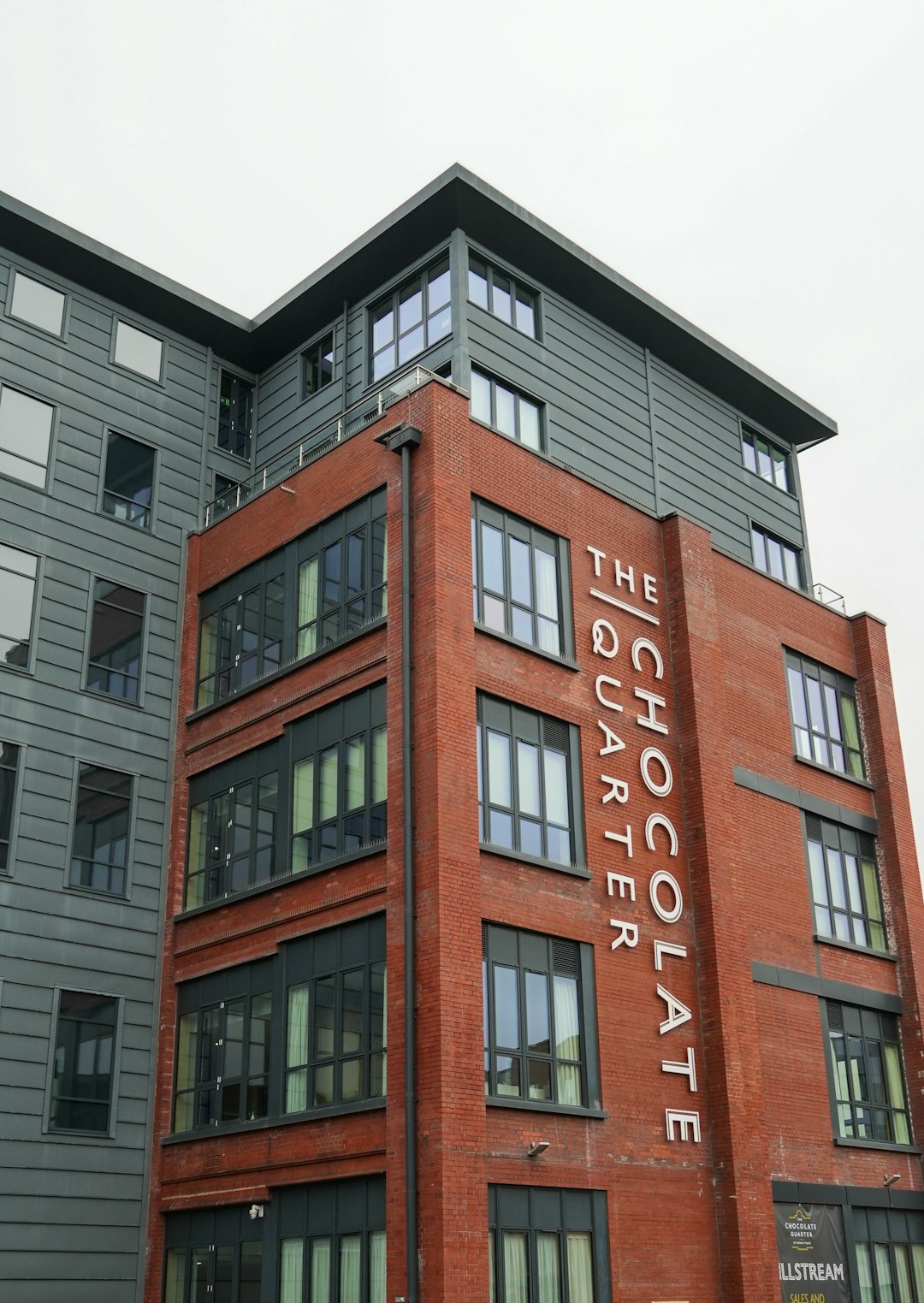
Walkability, a key aspect of urban design and development, has a profound impact on communities, offering numerous benefits that extend far beyond mere convenience for pedestrians. Measuring the impact of walkability in urban spaces is essential to understanding its role in fostering vibrant neighborhoods and enhancing real estate values naturally. By evaluating factors such as foot traffic, social interaction, and environmental perception, cities can make data-driven decisions to prioritize walkable environments. This approach ensures that urban planning aligns with the needs and desires of residents, promoting a sense of community engagement and synergy.
Several studies have highlighted the positive outcomes of walkability. For instance, research suggests that higher walkability indices are correlated with stronger social connections within neighborhoods. Walkable areas tend to foster more frequent interactions between neighbors, encouraging community building and a heightened sense of belonging. Moreover, walkability contributes to improved public health by encouraging physical activity, which can lead to reduced obesity rates and other health benefits. These findings underscore the importance of designing urban spaces that prioritize pedestrian accessibility.
In terms of real estate, walkable neighborhoods have proven to be highly desirable. Properties located in areas with strong walkability ratings often command premium prices and experience higher rates of occupancy. According to a recent market analysis, homes within a 10-minute walk of public transportation or commercial districts sold for approximately 15% more than comparable properties in car-oriented neighborhoods. This trend is not limited to residential real estate; retail spaces in walkable areas also benefit from increased foot traffic and higher consumer spending. As cities continue to evolve, investing in walkability can become a powerful strategy for both urban planners and developers, contributing to the creation of vibrant, sustainable, and economically robust communities.