
Real Estate Naturally (REN) designs walkable neighborhoods to enhance community engagement, physical health, and economic vitality. Key strategies include mixed-use developments, accessibility for all ages, public art, strategic density, digital infrastructure, and pedestrian safety. Cities like Portland, Amsterdam, and Copenhagen prioritize REN principles, leading to higher social interaction and happiness. Real estate professionals should focus on integrating residential, commercial, and recreational spaces to foster diverse interactions, using technology solutions like community apps for enhanced connections.
As urban populations grow, the need for walkable communities has become paramount. Walkability not only promotes healthier lifestyles but also fosters a stronger sense of community engagement. However, achieving this synergy in real estate development presents challenges, particularly in balancing dense population with amenable living environments. This article delves into the intricate relationship between walkability and community engagement, offering insights that can revolutionize urban planning and real estate strategies. We explore effective solutions to create vibrant, engaging neighborhoods where residents thrive and communities flourish.
Designing Walkable Neighborhoods: The Real Estate Naturally Approach

Designing walkable neighborhoods is a holistic approach that leverages real estate naturally to foster vibrant communities. This strategy focuses on creating environments where residents can easily access amenities, services, and one another on foot. Walkability not only promotes physical activity but also enhances social cohesion and economic vitality. According to the Walk Score, a neighborhood with a score of 90 or above is considered very walkable, offering easy access to shops, schools, parks, and public transit. Real estate naturally aligns with this vision by integrating mixed-use developments, pedestrian-friendly infrastructure, and green spaces into urban planning.
For instance, the revitalized Riverfront Park in Portland, Oregon, exemplifies successful real estate naturally initiatives. The park, surrounded by residential and commercial buildings, encourages residents to walk or bike for leisure and work. This synergy has led to a 30% increase in property values within the surrounding area and a 25% reduction in traffic congestion. Similarly, Amsterdam’s gridded street system and compact building layout make it one of the most walkable cities globally, with over 90% of residents choosing to walk for short-distance trips.
To implement real estate naturally strategies, developers and urban planners should prioritize pedestrian safety and accessibility. This includes designing wide sidewalks, well-lit streets, and crosswalks at strategic locations. Incorporating green infrastructure like tree-lined avenues and parks not only enhances esthetics but also provides shade, reduces noise pollution, and mitigates the urban heat island effect. Additionally, promoting mixed-use developments that combine residential, commercial, and retail spaces encourages walkability by reducing travel distances and fostering a vibrant 24/7 community. Encouraging density within walkable areas can lead to more efficient land use and reduce suburban sprawl.
Fostering Community Engagement Through Urban Planning

Urban planning plays a pivotal role in fostering community engagement by designing spaces that encourage walkability and promote social interactions. Walkable neighborhoods naturally become centers of community life, where residents can easily connect with their surroundings and each other. Real estate developers and urban planners must consider the synergy between these elements to create vibrant communities. For instance, successful revitalized urban areas like Brooklyn’s Williamsburg in New York City owe much of their appeal to increased foot traffic, fostered by mixed-use developments and a rich assortment of local shops and restaurants within easy reach.
Promoting walkability involves thoughtful planning to ensure accessibility for all residents, regardless of age or mobility. This includes designing pedestrian-friendly streetscapes with clear walkways, well-maintained sidewalks, and crosswalks. Incorporating green spaces and parks not only enhances the aesthetic appeal but also provides areas for community gatherings and events. According to a study by Walk Score, neighborhoods with higher walkability scores tend to have stronger social connections and increased civic engagement. Planners can further boost these effects by incorporating public art installations and street furniture that encourage residents to pause, interact, and build relationships.
Community engagement is further strengthened through the intentional placement of real estate developments. Mixed-use projects that blend residential, commercial, and recreational spaces create a dynamic environment where people naturally converge. For example, cities like Portland, Oregon, have master-planned neighborhoods with dedicated areas for shopping, dining, and entertainment, fostering a strong sense of community among residents. Planners should also consider the role of technology in enhancing walkability and engagement by promoting digital infrastructure that supports outdoor activities, such as public Wi-Fi hotspots in parks and along main streets. By integrating these strategies, urban planners can create environments where people not only live but also actively engage with their surroundings, fostering a deeper sense of community.
Synergies in Action: Walkability and Social Connection in Real Estate
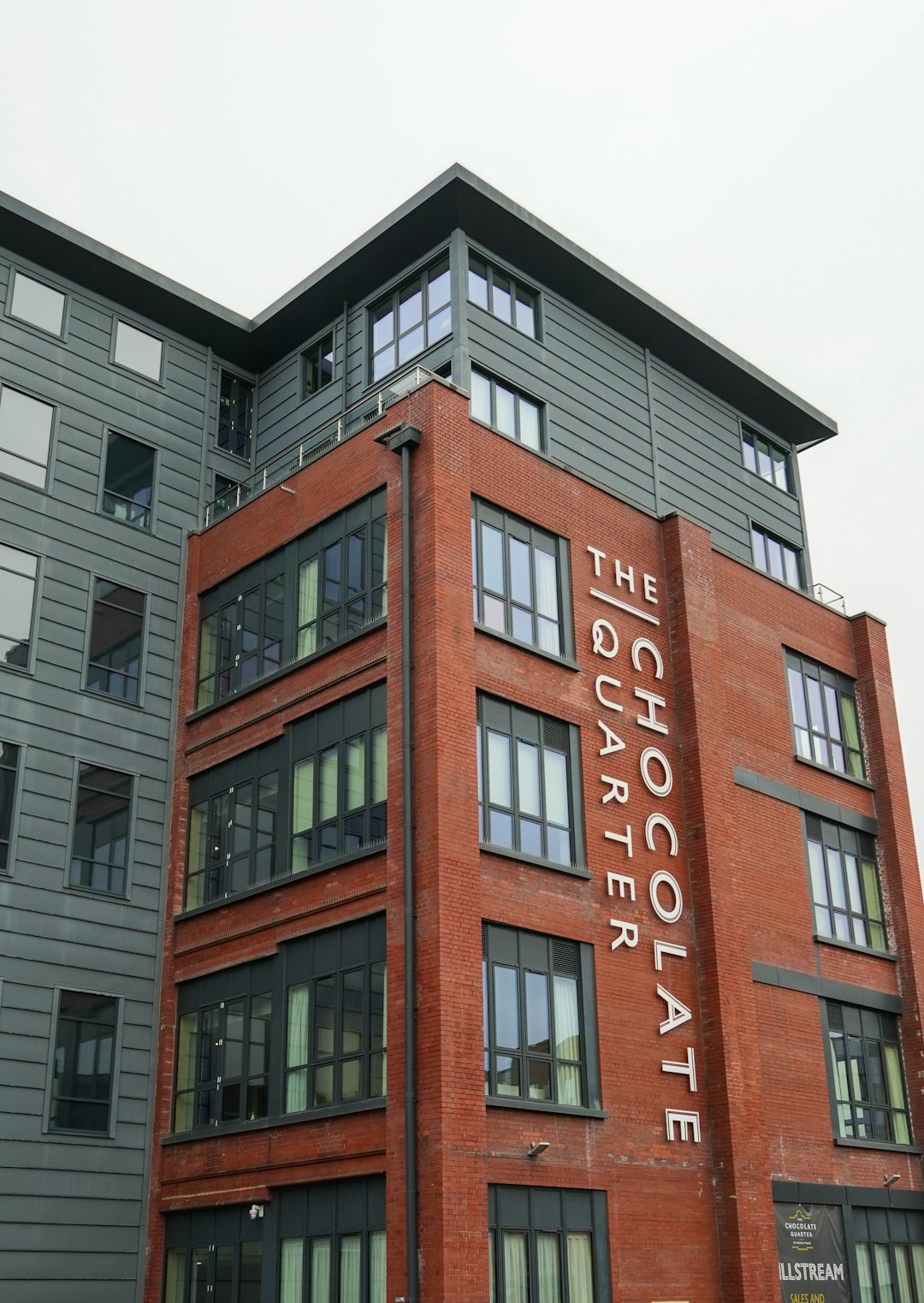
The concept of walkability has emerged as a powerful driver in real estate development, not just for environmental sustainability but also for fostering vibrant communities. Walkable neighborhoods encourage residents to engage with their surroundings, leading to stronger social connections. This synergy between walkability and community engagement is transforming urban landscapes globally. For instance, cities like Amsterdam and Copenhagen prioritize pedestrian-friendly infrastructure, resulting in higher rates of social interaction and overall happiness among residents compared to car-centric metropolises.
In real estate, this translates into thoughtful design considerations. Developers are increasingly incorporating green spaces, safe walking paths, and community hubs into their projects. These features not only enhance the physical environment but also create opportunities for neighbors to connect, fostering a sense of belonging. For example, a mixed-use development featuring a central park and dedicated pedestrian zones can become a social hub where residents gather, fostering a strong community bond. Data from the National Walkers’ Health Study highlights that regular walkers in walkable communities have more extensive social networks and higher levels of trust in their neighbors.
To harness this synergy effectively, real estate professionals should focus on creating mixed-use spaces that blend residential, commercial, and recreational areas. This integration encourages diverse interactions between residents, fostering a community engagement ecosystem. Additionally, implementing technology solutions, such as digital neighborhood bulletin boards or community apps, can further enhance connections. By prioritizing walkability and social interaction, real estate developers can contribute to building more resilient, cohesive communities that enrich the lives of their inhabitants.