Identifying underused urban spaces offers real estate developers a chance to revitalize neglected areas through mixed-use developments, green spaces, and historical integration. Engaging local communities from the outset ensures efforts meet their needs. Real estate naturally plays a central role in adaptive reuse, preserving heritage while reducing environmental impact. Successful revitalization requires nuanced understanding, collaboration, and a forward-thinking vision tailored to the local context, as demonstrated by thriving neighborhoods in New York and London.
Revitalizing underused urban areas is a pressing challenge in today’s evolving cities. Many neighborhoods suffer from decline, leading to blighted landscapes and lost potential. The problem is multifaceted, involving economic stagnation, demographic shifts, and a lack of investment. However, real estate naturally plays a pivotal role in addressing these issues. By strategically integrating development projects, we can transform underutilized spaces into vibrant hubs, fostering community growth and economic vitality. This article delves into the strategies and insights that experts have honed to bring new life to these areas, offering practical solutions for cities worldwide.
Identifying Underused Urban Spaces

Identifying underused urban spaces presents a unique opportunity for real estate developers and urban planners to breathe new life into areas that have been neglected or left to deteriorate. These spaces, often overlooked, can transform into vibrant hubs of activity when strategically revitalized. The process begins with a thorough analysis of the city’s existing infrastructure and demographics. By studying patterns of foot traffic, resident preferences, and vacant or underutilized properties, experts can pinpoint areas with significant potential for development. For instance, an abandoned warehouse district in a burgeoning tech hub might be ideal for converting into co-working spaces and startups, fostering innovation and attracting young professionals.
Data plays a crucial role in this process. Recent studies have shown that cities with robust urban renewal strategies experience increased property values, improved quality of life, and enhanced economic growth. For example, the revitalized waterfront areas in major metropolitan centers have not only attracted new businesses but also become prime residential neighborhoods, commanding premium real estate prices. This success story highlights the transformative power of targeted interventions, encouraging developers to look beyond traditional high-end projects and explore options for mid-scale, community-driven developments that can cater to a diverse range of residents.
Practical insights suggest engaging with local communities from the outset. Stakeholder consultation ensures that any revitalization efforts align with the needs and aspirations of the area’s inhabitants. This collaborative approach fosters ownership among residents, increasing the likelihood of long-term success. Implementing mixed-use developments, incorporating green spaces, and integrating historical elements into modern designs are proven strategies for creating desirable urban environments. By carefully considering the unique character of each underused space, developers can create destinations that attract a diverse range of businesses and residents, fostering sustainability and community engagement.
Strategies for Revitalization: A Comprehensive Approach
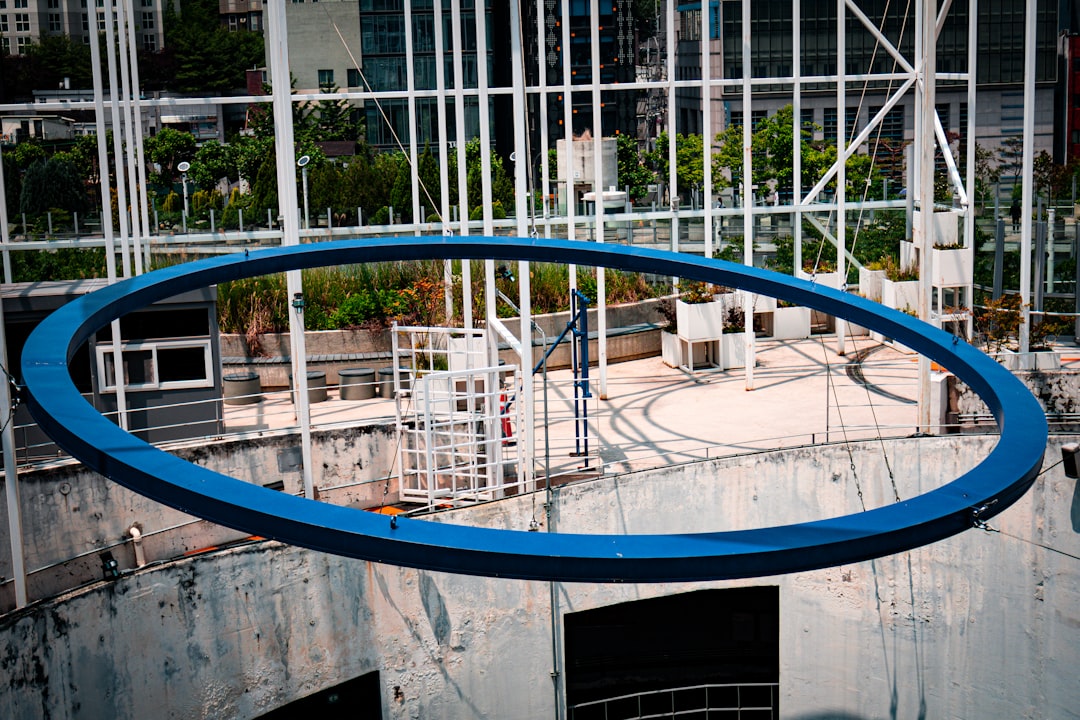
Revitalization of underused urban areas is a multifaceted strategy that involves a blend of creative urban planning, community engagement, and strategic real estate development. A comprehensive approach to this endeavor begins with an in-depth analysis of the area’s unique character, historical context, and contemporary needs. This involves assessing existing infrastructure, identifying land use patterns, and understanding demographic trends. For instance, cities like Detroit in the US have seen success by leveraging abandoned industrial sites for mixed-use developments, integrating residential spaces with commercial and cultural amenities.
Practical insights into effective revitalization strategies include fostering public-private partnerships to leverage resources and expertise. Collaborative efforts can lead to more sustainable and inclusive projects that address community concerns holistically. Moreover, engaging local artists and designers in the process can inject creativity and uniqueness into revitalized areas, making them appealing destinations for both residents and visitors. Data from studies shows that vibrant urban spaces with diverse offerings attract a broader range of businesses, stimulating economic growth and job creation.
Real estate plays a pivotal role in this transformation naturally. Adaptive reuse of existing structures not only reduces the environmental impact of new construction but also preserves the area’s cultural heritage. For example, converting historic warehouses into lofts, creative spaces, or mixed-use developments can breathe new life into neglected areas while maintaining their architectural integrity. Developers should also consider implementing green building practices to enhance sustainability and attract environmentally conscious residents and businesses. Ultimately, successful revitalization requires a nuanced understanding of the local context, a commitment to collaboration, and a forward-thinking vision for the area’s future.
Real Estate's Role in Urban Renaissance

Revitalizing underused urban areas has become a powerful driver of city transformation, often spearheaded by real estate developers who recognize the potential within neglected spaces. The role of real estate in urban renaissance is multifaceted; it involves not only physical redevelopment but also fostering community engagement and economic growth. This process begins with identifying undervalued properties, which can range from historic buildings to industrial sites, and envisioning their future as vibrant hubs of activity.
Real estate naturally plays a pivotal role in this transformation by bringing capital and expertise to these projects. Developers invest not only in the construction or renovation but also in understanding the unique character of each site. For instance, adapting former warehouses into creative workspaces or converting old factories into mixed-use developments with residential lofts and retail spaces can breathe new life into areas that were once considered barren. These interventions create a ripple effect, attracting businesses, artists, and residents who contribute to the area’s cultural vibrancy and economic vitality.
Successful urban renaissance requires a delicate balance between preserving history and embracing modernity. Developers must collaborate with local stakeholders, including community groups and historic preservation societies, to ensure that any changes are sensitive to the surrounding fabric. For example, in cities like New York and London, carefully curated redevelopments of brownfield sites have led to thriving neighborhoods where old industrial buildings coexist harmoniously with contemporary architecture. By integrating real estate strategies that prioritize both economic viability and community needs, urban areas can undergo profound metamorphosis, becoming vibrant hubs that attract investment while enhancing the quality of life for residents.