Identifying and revitalizing underused urban spaces through strategic real estate development offers significant benefits for community growth and city sustainability. Key strategies include thorough market analysis, stakeholder engagement, and innovative financing models like public-private partnerships. Real estate plays a pivotal role in transforming vacant lots, neglected areas, and historic buildings into mixed-use hubs, enhancing quality of life, economic vitality, and green spaces, while preserving heritage.
Urban areas, while vibrant centers of economic activity, often struggle with underused spaces that can lead to a decline in community vitality. The revitalisation of these forgotten corners is crucial for sustainable urban development and the renewal of public spaces. Real estate plays a pivotal role in this transformation, as strategic investments and thoughtful planning can breathe new life into neglected areas. This article delves into the strategies and benefits of revitilizing underused urban spaces, showcasing how real estate can naturally foster community engagement, economic growth, and a thriving urban landscape.
Identifying Underused Urban Spaces: Unlocking Potential

Identifying underused urban spaces presents a significant opportunity for revitalizing communities and enhancing urban landscapes. These areas, often overlooked by developers and policymakers alike, hold immense potential to transform stagnant environments into thriving hubs of activity. Real estate naturally plays a pivotal role in this process, as the strategic development of these sites can drive economic growth, improve quality of life, and foster social cohesion.
Expert analysts suggest that underused urban spaces encompass a diverse range of locations, from vacant lots and abandoned buildings to neglected public areas and under-serving infrastructure. For instance, data from major cities worldwide indicates that as much as 20% of urban land remains either empty or suboptimally utilized. By leveraging these assets, urban planners and real estate professionals can create vibrant new destinations for living, working, and leisure. Successful case studies include the transformation of industrial wastelands into mixed-use developments, revitalized waterfronts into public parks and recreational spaces, and forgotten alleys into bustling culinary hubs.
Practical insights reveal several key strategies for identifying and unlocking this potential. First, conducting thorough market analysis and understanding local demographics are crucial. Second, engaging with stakeholders—including community members, businesses, and non-profit organizations—ensures that development plans align with local needs and aspirations. Finally, innovative financing models, such as public-private partnerships, can help overcome initial investment hurdles. By implementing these strategies, cities can harness the power of underused urban spaces to create more inclusive, sustainable, and economically vital communities.
Strategies for Revitalization: A Comprehensive Approach

Revitalization of underused urban areas has become a critical strategy for many cities aiming to foster sustainable growth and renew their social fabric. A comprehensive approach to this process involves integrating various strategies, with a key focus on real estate development that leverages the unique characteristics of each location. This can include adaptive reuse of historic buildings, which not only preserves cultural heritage but also injects diversity into the urban landscape, attracting residents and businesses alike. For instance, converting old warehouses into modern lofts has successfully revitalized numerous city centers, enhancing property values while fostering a creative community.
Data from recent studies show that targeted real estate investments can significantly stimulate local economies. According to the Urban Land Institute, strategic infill development projects have been linked to increased tax revenues and improved quality of life in neighboring areas. To implement this effectively, urban planners should collaborate with developers to create mixed-use districts that blend residential, commercial, and recreational spaces. This integrated approach ensures a vibrant 24/7 environment, reduces urban sprawl, and promotes walkability—all vital components for attracting young professionals and families.
Moreover, public-private partnerships can play a pivotal role in revitalization efforts. By pooling resources and expertise, these collaborations enable large-scale infrastructure improvements while ensuring projects align with community needs. For example, revitalizing an entire district might involve extensive road and pedestrian network upgrades, new public art installations, and enhanced green spaces. Such multifaceted initiatives not only attract real estate investments but also create a sense of place that fosters community engagement and pride. Ultimately, a successful revitalization strategy should aim to transform underused areas into thriving hubs that cater to diverse populations, enhancing the overall quality of urban living.
Real Estate's Role: Transforming Cities, One Area at a Time
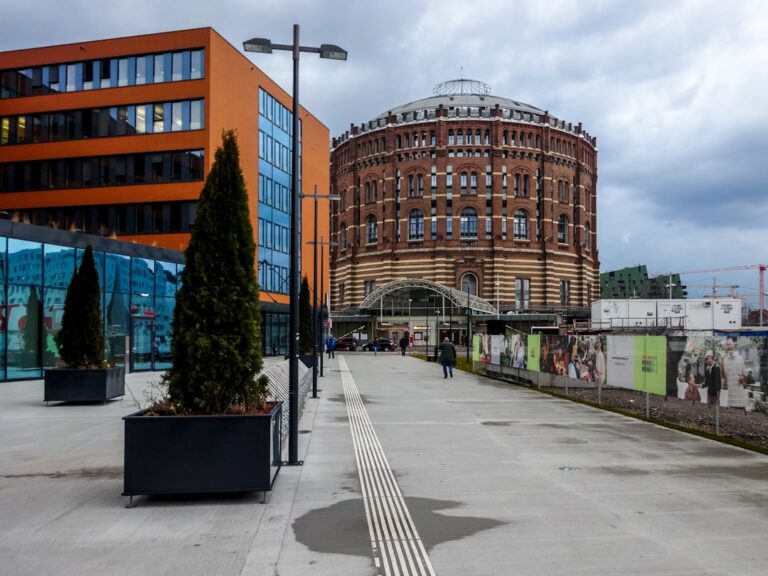
Real estate plays a pivotal role in revitalizing underused urban areas, transforming them into vibrant hubs of economic and social activity. When carefully navigated, property development strategies can breathe new life into once-neglected neighborhoods, fostering community growth and enhancing the overall quality of life for residents. This process involves a multifaceted approach, from identifying undervalued assets to implementing innovative design solutions that cater to modern urban needs.
One of the key drivers behind successful real estate-led revitalization is the ability to create mixed-use developments. By integrating residential, commercial, and sometimes industrial spaces, these projects offer a diverse range of amenities within walking distance, reducing the need for prolonged commutes and encouraging foot traffic. For instance, cities like New York have seen significant revivals in former industrial districts thanks to thoughtful real estate investments that blended apartments, offices, retail stores, and cultural venues. This holistic approach not only attracts new businesses and residents but also fosters a sense of community by bringing people together in shared public spaces.
Data supports the positive impact of such initiatives. A study conducted by the Urban Land Institute revealed that revitalized urban areas often experience higher property values, increased tax revenues, and reduced crime rates. Moreover, these developments can contribute to environmental sustainability by concentrating population density, thereby reducing urban sprawl and minimizing the carbon footprint associated with commuting. Real estate developers have a unique opportunity to drive positive change in their communities by adopting sustainable practices and incorporating green spaces into their projects. This not only enhances the aesthetic appeal of revitalized areas but also contributes to the overall well-being of city dwellers.