
The real estate sector is increasingly adopting multi-use developments, integrating residential, commercial, and retail spaces for strategic advantages. This trend enhances community livability, drives economic growth, and creates vibrant urban environments. Success requires careful planning, collaboration, and balancing unique demographic needs. Technology integration and smart design facilitate seamless interaction between zones, improving accessibility and fostering community connections. Mixed-use developments offer convenient lifestyles, with notable examples like Amsterdam's Jordaan district and Austin, US. Developers should prioritize public spaces, affordable housing, and technology to enhance residential harmony while ensuring economic viability.
The real estate landscape is evolving, driven by a growing demand to seamlessly blend residential, commercial, and retail spaces. This integration presents both opportunities and challenges, demanding innovative approaches to urban planning and development. The traditional separation between these sectors is becoming increasingly blurred, with mixed-use projects gaining prominence as efficient and desirable solutions.
This article delves into the intricate dynamics of this fusion, exploring strategies that maximize space utilization, enhance community engagement, and foster vibrant, sustainable environments. By examining successful case studies and highlighting cutting-edge practices, we aim to provide valuable insights for real estate professionals navigating this transformative era.
Understanding Multi-Use Real Estate Strategies
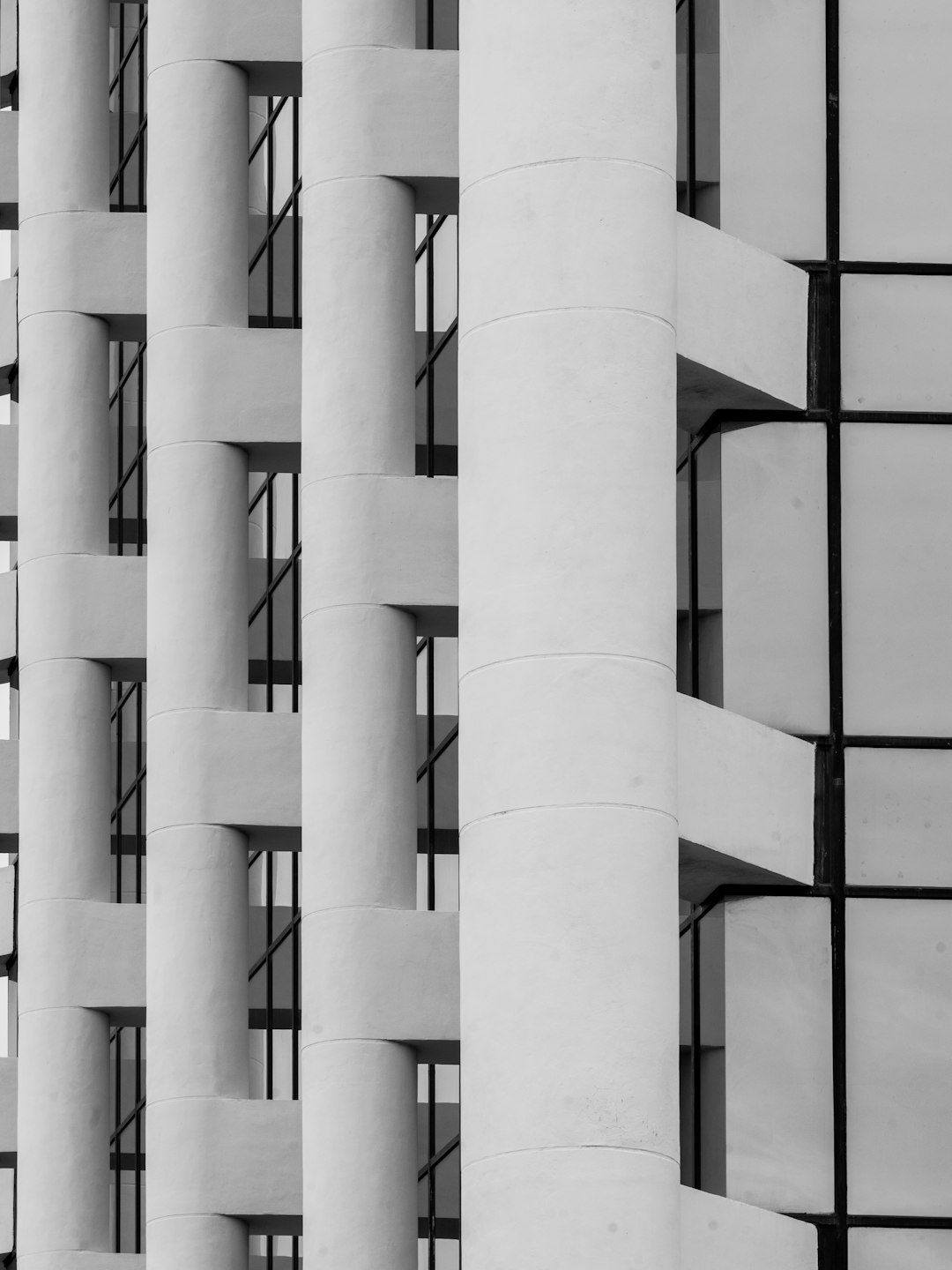
The real estate landscape is evolving with a growing trend towards multi-use developments that seamlessly blend residential, commercial, and retail spaces. This integrated approach offers numerous strategic advantages for developers, investors, and urban planners. By understanding and leveraging these multi-use real estate strategies, stakeholders can optimize property utilization, enhance community livability, and drive sustainable economic growth.
Multi-use projects facilitate 24/7 vibrancy in urban areas, reducing the need for long commutes and promoting more efficient use of infrastructure. For instance, a mixed-use development featuring apartments above retail stores and office spaces can attract residents, workers, and visitors alike, fostering a dynamic environment. Data from the Urban Land Institute indicates that multi-use properties often command higher rental rates and occupancy levels due to their convenience and diverse appeal. This trend is particularly evident in rapidly growing cities where land is scarce and demand for mixed-use solutions is high.
Expert perspective suggests that successful multi-use real estate strategies require careful planning and collaboration among various stakeholders, including architects, urban designers, and community leaders. Developers should consider the unique needs and preferences of each target demographic to create harmonious spaces that cater to all. Incorporating shared amenities like rooftop gardens, co-working lounges, or community kitchens can further strengthen social connections and foster a sense of belonging. By embracing these strategies, real estate naturally becomes a catalyst for revitalizing urban neighborhoods and shaping vibrant, sustainable communities.
Integrating Commercial, Retail Spaces: Best Practices

Integrating commercial, retail spaces within a mixed-use real estate development presents a complex yet rewarding challenge. This harmonious blend allows for vibrant urban environments where residents, workers, and shoppers coexist, creating a dynamic ecosystem that benefits all stakeholders. Best practices involve thoughtful design that considers pedestrian flow, accessibility, and a seamless transition between zones. For instance, successful developments like the South of Market (SoMa) district in San Francisco have implemented wide sidewalks, dedicated bike lanes, and well-planned public spaces to facilitate the interaction between diverse users.
Real estate professionals must prioritize functionality and flexibility in these multi-purpose spaces. This entails designing retail areas that can adapt to changing market trends and consumer behaviors, such as incorporating outdoor seating for restaurants or converting vacant storefronts into co-working spaces. Commercial tenants should be attracted by a mix of desirable location, ample parking (or efficient public transport alternatives), and modern amenities. For example, developments in urban centers like New York City’s Midtown East have seen success by offering retail leases with below-market rates to draw in e-commerce retailers looking for physical locations, thereby driving foot traffic and strengthening the overall commercial node.
Moreover, technology plays a pivotal role in enhancing the integration. Smart building systems can optimize energy use across all sectors while digital signage and interactive displays can provide personalized experiences for shoppers and workers alike. Data analytics can track usage patterns to inform future planning, ensuring that the real estate asset remains vibrant and attractive over time. As cities continue to grow vertically, seamlessly integrating residential, commercial, and retail spaces will become even more critical, offering residents convenient, connected lifestyles and fostering thriving urban communities.
Residential Harmony in Mixed-Use Developments
Mixed-use developments that seamlessly blend residential, commercial, and retail spaces are gaining popularity worldwide, offering a harmonious and dynamic urban living experience. This integrated approach to real estate naturally fosters a sense of community and enhances quality of life for residents. The key to successful mixed-use lies in striking a delicate balance between these purposes, ensuring each component complements and enriches the others.
Residential harmony in such developments is achieved through thoughtful design and planning. Access to amenities like grocery stores, restaurants, and entertainment venues within walking distance significantly improves everyday convenience and reduces car dependency. For instance, Amsterdam’s Jordaan district exemplifies this concept with its cobblestone streets housing boutique shops, cafes, and residential buildings, creating a vibrant, walkable community. In the US, cities like Austin have embraced mixed-use development, with high-rise apartments above retail spaces, fostering a bustling atmosphere that attracts residents and visitors alike.
To create lasting residential harmony, developers must prioritize accessibility and inclusivity. This involves designing public spaces that encourage interaction and community building, as well as providing a diverse range of housing options to cater to various demographics. For example, incorporating affordable housing units within mixed-use projects ensures social integration and fosters a sense of belonging. Additionally, leveraging technology to enhance connectivity, such as smart home integrations and digital community platforms, can further strengthen the residential experience.