
Real Estate Naturally emphasizes walkable neighborhoods for enhanced community engagement and social connections. Key strategies include mixed-use planning, diverse housing, pedestrian infrastructure, and green spaces. Community involvement is crucial. Walkability drives physical health and life satisfaction, impacting real estate value. Integrating retail, culture, and services within walking distance creates vibrant communities. Technology aids in promoting walkability as a desirable lifestyle choice.
In today’s urban landscape, walkability and community engagement are vital components shaping the livability of any metropolis. Real estate naturally plays a pivotal role in fostering these elements, as well-designed neighborhoods encourage residents to leave their cars behind and embrace a more active, connected lifestyle. However, achieving this synergy between walkability and community involves addressing key challenges such as fragmenting land uses and inadequate public spaces. This authoritative article delves into innovative strategies that developers, urban planners, and communities can adopt to create vibrant, accessible environments where folks thrive, connecting people with places in meaningful ways.
Designing Walkable Neighborhoods: The Real Estate Naturally Approach

Designing walkable neighborhoods is a strategic approach to urban development that prioritizes accessibilty on foot, fostering a vibrant community engagement synergy. The Real Estate Naturally method emphasizes creating environments where residents can seamlessly navigate their daily routines without relying heavily on motor vehicles. This paradigm shift not only promotes healthier lifestyles but also strengthens social connections and economic vitality within the neighborhood.
Key components of the Real Estate Naturally approach include strategic land use planning, dense yet diverse residential options, and a commitment to public safety and comfort. For instance, developing mixed-use districts with residential, commercial, and retail spaces in close proximity encourages residents to walk or cycle for their daily needs. Well-designed sidewalks, pedestrian-friendly crosswalks, and safe routes to schools and parks further incentivize active transportation. Research suggests that walkable neighborhoods can reduce car dependency by up to 30%, lowering greenhouse gas emissions and improving air quality.
Community engagement plays a pivotal role in the success of these initiatives. Involving residents in the design process ensures that the resulting spaces meet their unique needs and preferences. Public meetings, online forums, and community workshops allow for direct feedback, fostering a sense of ownership and investment in the neighborhood’s future. Moreover, integrating green spaces and public art can enhance social cohesion and create gathering places that strengthen the community engagement synergy. Successful examples like Portland’s Pearl District in Oregon demonstrate how strategic planning and resident involvement can transform urban areas into thriving, walkable communities.
To implement these strategies effectively, real estate developers and urban planners must adopt a holistic perspective, considering not just physical infrastructure but also social and economic factors. This includes providing affordable housing options, promoting diversity, and ensuring access to essential services for all residents. By embracing the Real Estate Naturally approach, cities can create neighborhoods that are not only aesthetically pleasing and environmentally sustainable but also socially inclusive and economically robust, thereby enriching the lives of their inhabitants.
Building Community Engagement through Public Spaces

The concept of walkability has emerged as a powerful driver for community engagement, particularly within urban real estate developments. Public spaces, when thoughtfully designed, can become the heart of a neighborhood, fostering connections among residents and enhancing overall well-being. A vibrant street life, with people interacting, walking, and gathering, creates a sense of community that goes beyond mere geographical boundaries. This organic synergy is not merely aesthetic; it has profound implications for social cohesion and urban sustainability.
Expert planners and urban designers emphasize the importance of integrating public spaces into real estate projects to encourage walkability. For instance, successful mixed-use developments often incorporate parks, plazas, and pedestrian-friendly corridors that facilitate social interactions. These spaces become neutral grounds where neighbors can meet, fostering a sense of belonging and community spirit. Research indicates that walkable neighborhoods with well-designed public areas experience higher levels of social interaction, stronger neighborhood attachments, and improved mental health outcomes among residents.
To harness this synergy effectively, developers and city planners should consider creating diverse gathering places that cater to different age groups and interests. Community gardens, outdoor fitness zones, and child-friendly play areas can attract a broad spectrum of residents, encouraging regular engagement. Additionally, organizing community events, cultural festivals, and local markets in these spaces further strengthens the bond among neighbors. This strategic approach to building community engagement through public spaces not only enhances the overall quality of life but also contributes to a more vibrant, resilient urban environment.
Synergies in Action: Walkability and Social Connections Impacting Real Estate
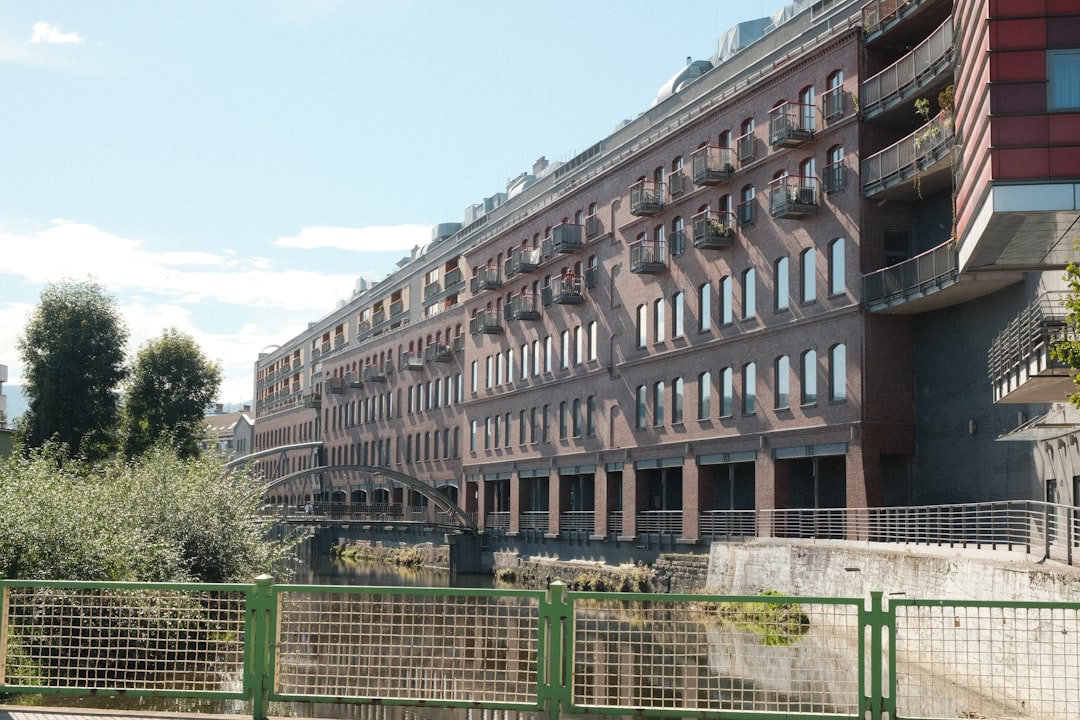
Walkability, defined as the ease of walking in an area, has emerged as a key factor in real estate development, fostering not just physical health but also robust community engagement. Research indicates that walkable neighborhoods contribute to stronger social connections, higher life satisfaction, and reduced isolation among residents. This synergistic relationship between walkability and community engagement significantly impacts real estate markets. For instance, studies have shown that properties located in highly walkable areas command premium prices and experience faster resale rates due to their desirable amenities and robust social fabric.
The integration of green spaces, retail districts, and cultural hubs within walking distance creates a vibrant atmosphere that attracts residents and businesses alike. This is evident in cities like New York and Berlin, where dense, mixed-use developments have led to thriving local economies and diverse social interactions. Real estate developers can leverage these insights by designing communities that prioritize walkability, incorporating essential services, schools, parks, and entertainment venues within a short distance from residential areas. By fostering an environment conducive to walking, developers not only enhance the physical well-being of residents but also create opportunities for serendipitous social encounters, strengthening community bonds.
Moreover, technology has played a pivotal role in promoting walkability as a key real estate amenity. Apps that provide route planning, navigation, and step-count tracking encourage residents to explore their surroundings on foot. This digital push complements the physical infrastructure of walkable neighborhoods, making them even more appealing. Real estate professionals can leverage these trends by marketing properties with strong walkability scores, highlighting the convenience and social opportunities they offer. By embracing walkability as a core design principle, real estate naturally aligns itself with contemporary lifestyle preferences, ensuring that communities remain vibrant, connected, and desirable for years to come.