Real Estate Naturally Adapts to Urban Growth:
– Mixed-use properties integrating residential, commercial, and retail spaces maximize urban land utilization.
– Technology, including smart homes, is essential for energy efficiency, security, and enhanced living.
– Architects adopt innovative space optimization strategies like vertical living due to limited urban space.
– Incorporating green spaces improves air quality and mental well-being.
– Real estate professionals must prioritize sustainability and digital technologies to attract tech-savvy buyers.
– Key strategies include user-friendly online platforms, leveraging social media, and personalized digital tools for immersive experiences.
In today’s fast-paced urban world, the alignment of modern lifestyles with real estate practices has become a paramount concern. As cities continue to grow, the demand for livable spaces that cater to diverse needs grows with them. The challenge lies in the disconnect between contemporary urban living and traditional real estate approaches. This article delves into innovative strategies to bridge this gap, focusing on how real estate can naturally evolve to meet the demands of modern urban dwellers, ensuring vibrant communities and enhancing quality of life. By exploring cutting-edge concepts, we aim to provide valuable insights for professionals seeking to shape the future of urban spaces.
Understanding Urban Trends in Real Estate
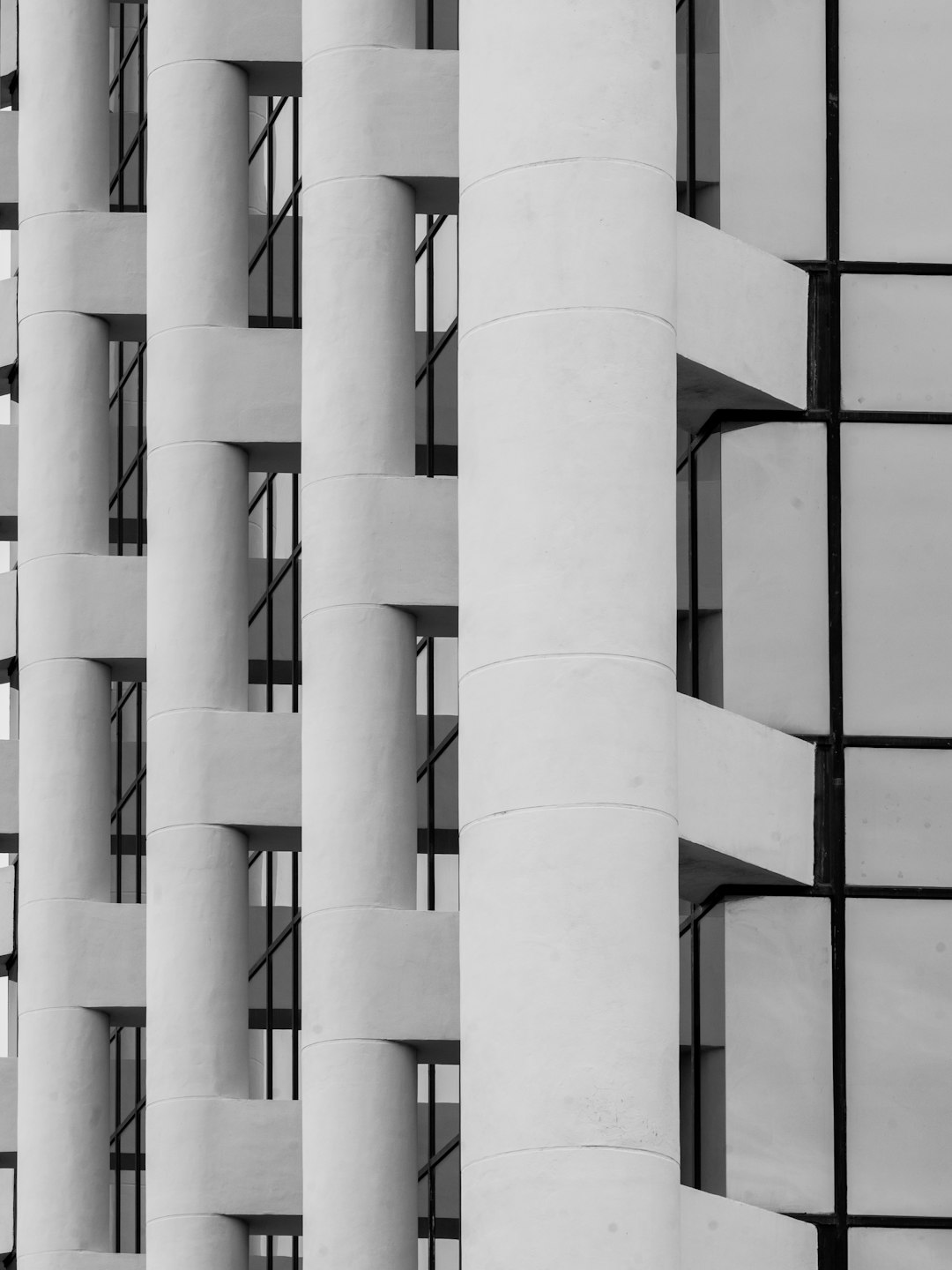
In today’s dynamic urban landscape, understanding evolving trends in real estate is paramount for both developers and investors navigating the modern market. The world’s cities are experiencing unprecedented growth, with metropolitan areas expanding at a rapid pace. This urban renaissance presents unique challenges and opportunities in the real estate sector. For instance, densely populated areas demand innovative solutions to accommodate growing populations while ensuring livable spaces. According to recent data from the United Nations, more than 50% of the global population now resides in urban centers, highlighting the critical need for sustainable and efficient real estate development.
One prominent trend shaping urban real estate is the rise of mixed-use properties. Integrating residential, commercial, and retail spaces within a single structure has become a popular strategy. This approach not only maximizes land utilization but also fosters vibrant, walkable communities. For example, in cities like New York and Singapore, high-rise buildings incorporate apartments, offices, and shops, creating diverse, interconnected neighborhoods. Such mixed-use developments cater to the modern urbanite’s desire for convenience, accessibility, and a seamless blend of work and life.
Experts emphasize that staying ahead in this competitive market requires keeping pace with technological advancements. Smart homes and building automation systems are no longer luxuries but essential features. Real estate professionals should focus on integrating digital solutions that enhance energy efficiency, security, and overall living experiences. For instance, implementing AI-driven building management systems can optimize resource allocation, reduce operational costs, and improve tenant satisfaction. As cities continue to grow and technological innovations accelerate, real estate naturally evolves, offering investors and developers a dynamic landscape filled with promising prospects for sustainable urban development.
Adapting Designs for Modern City Living
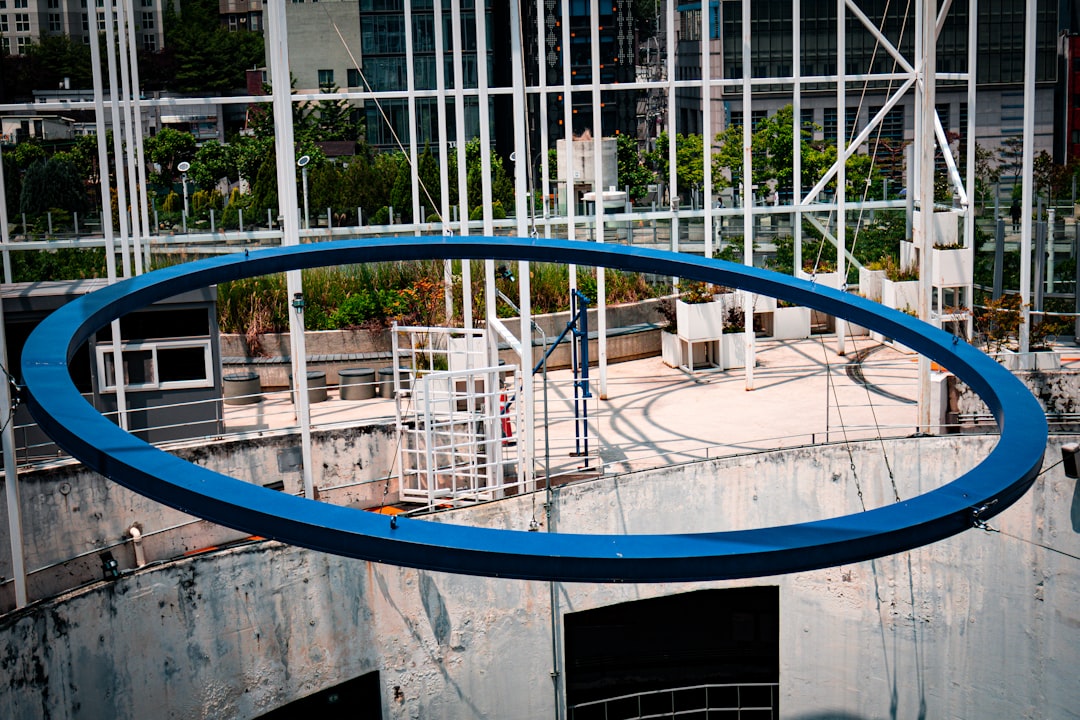
In today’s dynamic urban landscape, real estate naturally adapts to cater to the evolving needs of modern city dwellers. The design principles for living spaces must embrace the fast-paced, diverse nature of urban life. This shift is not merely aesthetic; it involves rethinking functionality, sustainability, and the integration of technology to create habitats that enhance quality of life in crowded, vibrant cities. For instance, smart home technologies are increasingly integrated into residential designs, allowing for energy efficiency and a higher level of convenience.
Architects and developers must consider the compact nature of urban real estate, calling for innovative space optimization strategies. Vertical living, with its focus on multi-level units, is gaining traction as a practical solution for maximizing limited space. Additionally, the incorporation of green spaces within urban developments not only provides residents with recreational areas but also contributes to improved air quality and mental well-being. Data from the World Health Organization underscores the importance of green infrastructure in cities, highlighting its positive impact on physical and mental health.
Practical advice for adapting designs to modern city living includes involving tech-savvy architects and engineers early in the planning stage to ensure smart home capabilities are seamlessly integrated. Collaborating with urban planners is equally vital to leverage insights into community needs and challenges. Developers should also prioritize sustainable materials and energy-efficient systems, not only for environmental responsibility but also for long-term cost savings and increased property value. Ultimately, successful modern urban real estate design requires a holistic approach that balances aesthetics, functionality, and technological innovation.
Strategies to Attract Tech-Savvy Urban Buyers
In today’s digital age, tech-savvy urban buyers are a force to be reckoned with in the real estate market. They demand not just properties but experiences tailored to their modern lifestyles. To capture their interest, real estate professionals must adopt strategies that resonate with this tech-driven demographic. Understanding their needs and preferences is the first step; these individuals seek convenience, connectivity, and a sense of community within their living spaces. For instance, a 2022 survey revealed that over 75% of young urban professionals prioritize smart home technology in their property choices.
Engaging this audience requires a digital-first approach. Developing user-friendly online platforms and mobile apps offering immersive virtual tours can significantly attract tech-savvy buyers. Real estate agents should also leverage social media effectively, creating engaging content that showcases not just properties but the surrounding urban lifestyle—a blend of vibrant nightlife, cultural events, and easy access to amenities. For example, a well-curated Instagram feed featuring local cafes, art exhibitions, and city skyline views can pique potential buyers’ interest.
Furthermore, providing personalized digital tools can set real estate listings apart. These might include interactive floor plans with custom design options or data-driven insights into nearby neighborhood trends. By combining traditional expertise with innovative technology, agents can ensure their services remain relevant and appealing to modern urban buyers. This strategy not only enhances the customer experience but also increases the likelihood of successful property sales in an increasingly competitive market.