Real estate development balances commercial and residential zones through strategic planning, fostering community, boosting local economies, and promoting sustainable living. Well-zoned areas thrive with daytime commercial activity and become peaceful at night, catering to both businesses and residents' needs.
In today’s dynamic real estate landscape, blends of residential, commercial, and retail purposes are reshaping urban spaces. This multi-use trend, often referred to as mixed-use development, offers a harmonious balance between communities and commerce. Our article explores this evolving concept, delving into the benefits, challenges, and innovative strategies that define multi-use properties. From balanced communities to revitalized retail, discover how real estate is being redefined for the modern era.
Multi-Use Properties: A Real Estate Trend

Multi-use properties are gaining traction in the real estate world as a innovative approach to space utilization. These developments seamlessly blend residential, commercial, and retail functions within a single structure or complex. This trend is driven by changing consumer preferences, urban density concerns, and the need for more flexible and integrated spaces.
By combining different uses, developers create vibrant hubs that cater to diverse daily needs. For instance, a building might house apartments above a shopping mall with office spaces on the top floors. This design not only maximizes land use but also offers residents and visitors a convenient, all-in-one experience. The integration of retail and commercial elements can foster local economies, while residential units contribute to community building and stability.
Balancing Act: Commercial and Residential Harmony

In the dynamic world of real estate, achieving a harmonious blend of commercial and residential spaces is an art. This balancing act involves careful consideration to ensure both areas thrive. When designing or redeveloping urban areas, it’s essential to create environments that cater to diverse needs. Commercial hubs, with their bustling activity, can coexist alongside residential neighborhoods, offering a rich tapestry of experiences for locals and visitors alike.
For instance, integrating retail stores and offices within walking distance of residential districts fosters a sense of community. This synergy encourages foot traffic, enhances local economies, and promotes sustainable living practices. By thoughtfully planning zoning and land use, real estate developers can create spaces that are vibrant during the day with commercial activities and transform into tranquil habitats come evening, catering to the needs of both businesses and residents.
The Retail Revolution: Mixing Purposes Strategically
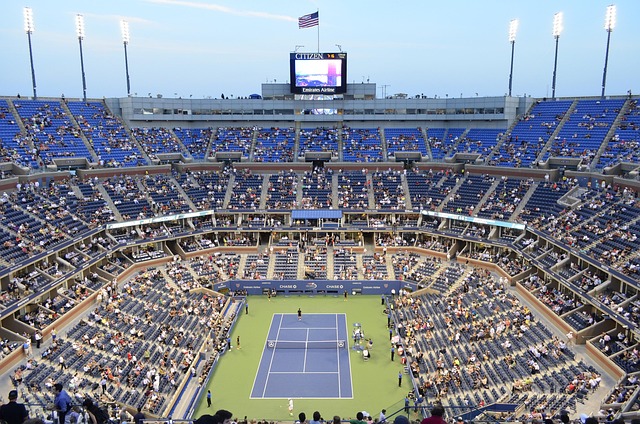
The retail landscape is undergoing a transformative revolution, and the traditional separation between residential, commercial, and retail spaces is becoming increasingly blurred. This blending of purposes offers exciting opportunities in real estate development, creating vibrant, mixed-use communities. By integrating retail into residential and commercial areas, developers are crafting urban environments that cater to diverse needs and foster a sense of community.
Strategic mixing enhances the overall appeal and functionality of these spaces. Residents can conveniently access daily necessities, enjoy leisure activities, and engage in social interactions within their immediate surroundings. This interconnectedness promotes sustainable living, reduces travel times, and contributes to the overall well-being of the community. The retail revolution is not just about changing buildings; it’s about redefining how we live, work, and play in harmony.